Premium instant foods are worth paying more for only when they deliver a clear benefit you can verify, such as a better-fitting ingredient list, a useful portion, easier preparation, or a flavor you genuinely want.
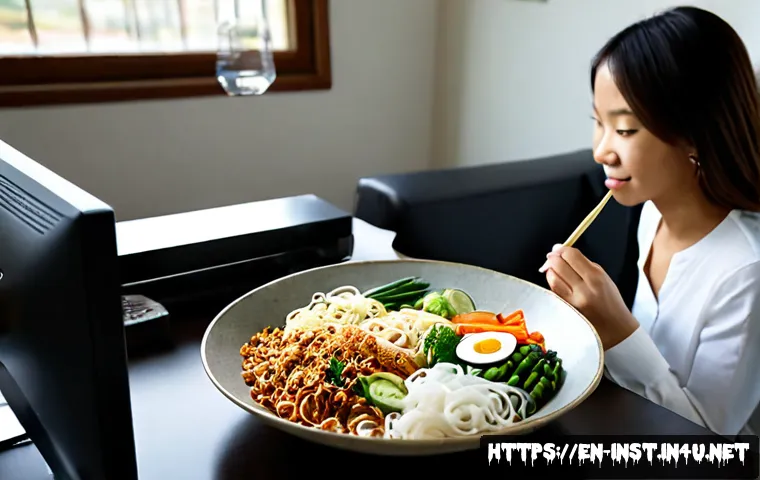
They are not automatically a better buy simply because the package looks upscale or uses gourmet language. The smartest comparison starts with price per serving rather than the shelf price alone.
Check the nutrition facts, allergens, storage instructions, and the equipment needed before ordering from a specialty grocery delivery service or choosing a food subscription.
A higher-priced option can make sense for busy workdays, gifts, or pantry convenience, but only if it fits the way you will actually use it. Think of premium as a buying category to examine, not a quality guarantee.
At a Glance
- Pay more only for a specific benefit: flavor, ingredients, dietary fit, portion size, or preparation convenience.
- Compare price per serving: package cost can hide a small serving size or a different number of usable meals.
- Check the label and storage: nutrition, allergens, and preparation needs vary across shelf-stable, refrigerated, and frozen foods.
| Buying Tier | Best Comparison Point | Ingredients and Label Review | Preparation and Storage | Who It May Suit |
|---|---|---|---|---|
| Budget | Focus on the lowest usable cost per serving, not the package price. | Check whether the nutrition panel and ingredient list meet your basic needs. | Often chosen for straightforward pantry convenience. | Regular meals, backup lunches, and cost-focused shopping. |
| Mid-Range | Compare portion size and preparation convenience against standard options. | Look for a meaningful difference rather than a more polished package. | May work for quick home-office meals or weeknight shortcuts. | Shoppers balancing convenience, taste preferences, and routine spending. |
| Premium | Ask whether the higher price per serving buys a benefit you will use. | Verify ingredient claims, dietary statements, sodium, added sugar, protein, and allergens. | Can include shelf-stable, refrigerated, frozen, or heat-and-eat formats. | Gift buyers, specialty-food shoppers, and people seeking a particular meal experience. |
When Paying More for Convenience Food Makes Sense
The Quick Answer: Pay for a Clear Benefit, Not a Premium-Looking Label
A premium instant food can be a sensible purchase when it solves a real problem. Perhaps you need a fast lunch that works with your available microwave or kettle. Perhaps you want a shelf-stable meal for a pantry backup, or a specialty snack box that feels suitable for gifting. The key is to identify the specific benefit before placing the item in your cart.
“Premium” is a marketing term. It does not automatically confirm better nutrition, superior sourcing, a larger portion, or a better everyday value. If the label, serving size, and preparation requirements are similar to a less expensive alternative, the extra cost may be mostly packaging and positioning.
What “Better” Can Mean: Flavor, Ingredients, Dietary Fit, Portion Size, or Convenience
Better means different things to different shoppers. One buyer may value a particular flavor or cuisine. Another may prioritize an ingredient list that fits household preferences. Someone shopping for work lunches may care most about a meal that is simple to prepare with the equipment available at the office.
Start with one or two priorities. A product does not need to win every category to be worthwhile. It simply needs to offer a benefit that matters enough to justify its price per serving.
Three Questions to Answer Before Adding a Product to Your Cart
- What am I replacing? Compare it with the lunch, snack, or pantry meal you would otherwise buy.
- Will I use the full serving? A package is only a value if its usable portions fit your routine.
- Can I prepare and store it properly? Confirm whether it needs refrigeration, freezing, a microwave, hot water, or stovetop cooking.
Compare Value Beyond the Package Price
Price Per Serving Versus Total Package Cost
The package price is easy to see, but it is not enough for a useful comparison. Look at the number of servings listed on the package, then consider whether one listed serving is actually enough for your intended meal. A snack-sized cup, a soup, and a rice dish may all be sold as convenient food, but they may serve very different roles.
Use this simple framework: total product price divided by the number of usable servings. Then compare products that solve the same need. A pantry lunch should be compared with another pantry lunch, not automatically with a giftable snack assortment or a refrigerated heat-and-eat meal.
Premium Instant Food Comparison Table: Budget, Mid-Range, and Premium Tiers
There is no universal “right” tier. A budget option may be the best repeat purchase when its label, portion, and preparation fit your needs. A premium option can be stronger when it delivers a clearly different ingredient profile, flavor experience, or time-saving format. The decision should come from the product details, not from the category name.
When Delivery Fees, Subscriptions, and Multipacks Improve—or Reduce—Value
Specialty grocery delivery, curated meal boxes, and food subscriptions can simplify shopping, especially when you want to try several products at once. However, compare the final checkout total with the number of servings you realistically expect to use. Shipping charges, subscription terms, regional availability, and current promotions should be checked on the seller’s page before you decide.
Multipacks may improve convenience for items you already know you enjoy and can store correctly. They may reduce value when you are testing an unfamiliar flavor, have limited storage space, or cannot use every item before its recommended storage period. For a subscription box, review the meal selection process and delivery conditions before making it part of a routine purchase.
Read the Label Before You Upgrade
Ingredient List, Protein, Fiber, Sodium, and Added Sugar Checks
A premium label should not replace label reading. Review the ingredient list, nutrition facts panel, and serving size. Depending on the product type and your priorities, you may want to compare protein, fiber, sodium, and added sugar across similar options.
Do not assume a product is nutritionally preferable because it is sold in a specialty grocery section or included in a gourmet convenience meal collection. The useful question is whether its current label suits your own needs and the role it will play in your meals.
Allergens, Dietary Claims, and Cross-Contact Considerations
Always review the allergen statement directly on the current package. Dietary claims can be helpful starting points, but they are not a substitute for checking ingredients, allergens, and any cross-contact information provided by the manufacturer. Individual dietary suitability and allergy safety require personal review, particularly when a product is new to your household.
Shelf-Stable, Refrigerated, and Frozen Formats: What Changes for Storage and Prep
Shelf-stable meals, soups, noodles, rice dishes, snack boxes, and drink mixes can have different storage needs from refrigerated or frozen convenience foods. Shelf-stable products may be practical for desks, dorms, travel, or pantry backups. Refrigerated and frozen items may require more planning, including available refrigerator or freezer space.
Before buying, check the storage instructions and preparation method. A meal that needs stovetop cooking may be excellent at home but inconvenient at work. A product requiring refrigeration may not be the right choice for travel, even if its flavor and ingredients appeal to you.

Avoid the Most Common Convenience-Food Buying Mistakes
Mistaking Small Servings for a Complete Meal
One of the most common mistakes is treating every listed serving as a full lunch or dinner. Read the serving size, then consider whether you would need additional food to feel satisfied. If you regularly pair a soup or noodle cup with another item, include that in your real cost-per-meal comparison.
Paying for Branding Rather Than a Measurable Benefit
Premium design, descriptive flavor names, and specialty positioning can make a product feel more valuable. That may be part of the appeal for a gift or a new-food experience. For routine shopping, though, ask what you are actually receiving: a different ingredient list, a more useful portion, easier preparation, or a flavor you cannot find in a standard option.
Ignoring Microwave, Kettle, Stovetop, or Refrigeration Requirements
Convenience depends on context. A product that needs a microwave is not equally convenient in every office. A kettle-only option may be more useful for a dorm or hotel room. Check the package instructions before buying a multipack or adding an item to a grocery delivery order.
Match the Product Type to the Moment
Workday Lunches and Quick Home-Office Meals
For workday meals, prioritize preparation requirements and portion suitability. Look for options that match the equipment you actually have and that can be stored safely until lunch. A premium meal may be worthwhile if it makes a rushed day easier without creating extra steps.
Travel, Dorms, and Pantry Emergency Supplies
Shelf-stable instant foods can be practical for travel, dorms, and pantry backups when their storage and preparation instructions match the setting. A compact package is not automatically travel-ready; it may still require hot water, a bowl, or another item you will not have available. Confirm the full preparation process before packing it.
Gifts, Specialty Snacks, and Trying New Cuisines
Premium snack boxes and curated meal selections can be appealing gifts because variety and presentation may matter more than strict price efficiency. They can also be a low-commitment way to explore unfamiliar flavors. For gifting, check allergen information, storage needs, and delivery timing directly with the seller rather than assuming every item will suit every recipient.
Selection Criteria and Comparison Summary
Choose a premium option when it offers a specific, verifiable advantage: an ingredient list you prefer, a flavor you want, a portion that works for your meal, or preparation that saves meaningful time. Choose a standard option when nutrition, serving size, and convenience are comparable at a lower cost. Before checkout, compare price per usable serving, serving size, nutrition and allergen details, storage requirements, and whether you would realistically buy it again. For grocery delivery, subscription boxes, or curated meal selections, review the current item details, delivery conditions, and final order total on the relevant product page.
Closing Thoughts
Premium instant foods can be useful, enjoyable, and practical, but the word “premium” should not make the decision for you. The best purchase is the one that fits your meal routine, available storage, and budget per serving. Read the current package information, compare like with like, and avoid paying extra for benefits you will not use. A thoughtful first purchase can also help you decide whether a multipack, specialty grocery order, or subscription is worth repeating.
Useful Information to Keep in Mind
1. Compare meals with similar purposes, not just similar package sizes.
2. Treat a listed serving size as a label detail to assess, not a promise of a complete meal.
3. Check preparation equipment before ordering for an office, dorm, or travel setting.
4. Review current delivery fees, subscription conditions, and availability before committing to a recurring order.
Important Notes
Product quality, taste, dietary suitability, allergy safety, sourcing practices, prices, promotions, shipping charges, and availability cannot be determined without reviewing the current product listing and package label. Packaging claims should be checked against the ingredient list, nutrition facts panel, allergen statement, and storage instructions. If you have individual dietary or medical considerations, use the current product information to decide whether an item is appropriate for you.
Frequently Asked Questions
Q1. Are premium instant foods actually healthier than regular instant foods?
A1. Not necessarily. “Premium” does not automatically indicate better nutrition. Compare the current ingredient list, serving size, nutrition facts, sodium, added sugar, protein, fiber, and allergen information for products serving the same purpose.
Q2. How much more should I pay per serving for a premium convenience meal?
A2. There is no fixed amount that makes a premium meal worthwhile. Pay more only when the difference delivers a benefit you value and can verify, such as a preferred ingredient list, useful portion size, better-fitting preparation method, or a flavor experience you would choose again.
Q3. What should I look for when choosing premium instant foods for work lunches or pantry storage?
A3. For work lunches, check portion size, preparation equipment, storage requirements, and allergens. For pantry storage, focus on shelf-stable format, package instructions, usable servings, and whether the product fits your backup-meal plan. In both cases, compare price per serving instead of relying on the package price alone.