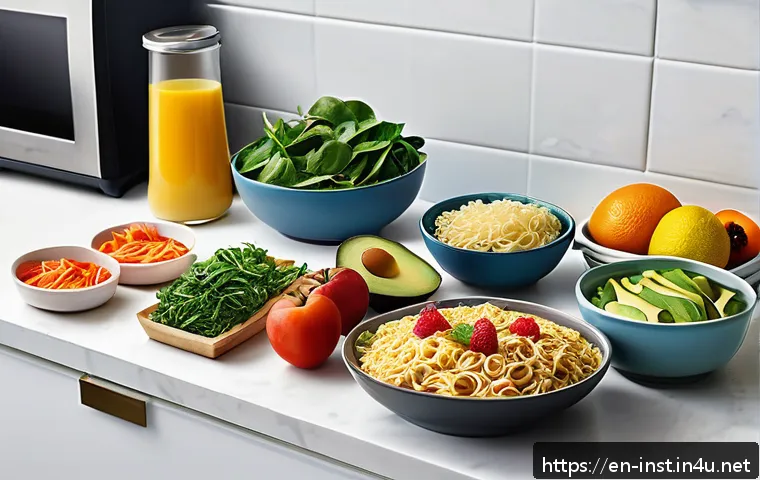
Lately, the surge in instant convenience foods has become a staple for many busy lifestyles, promising quick and easy solutions to hunger. But beneath the surface of these time-saving options lies a growing concern about their hidden health impacts.
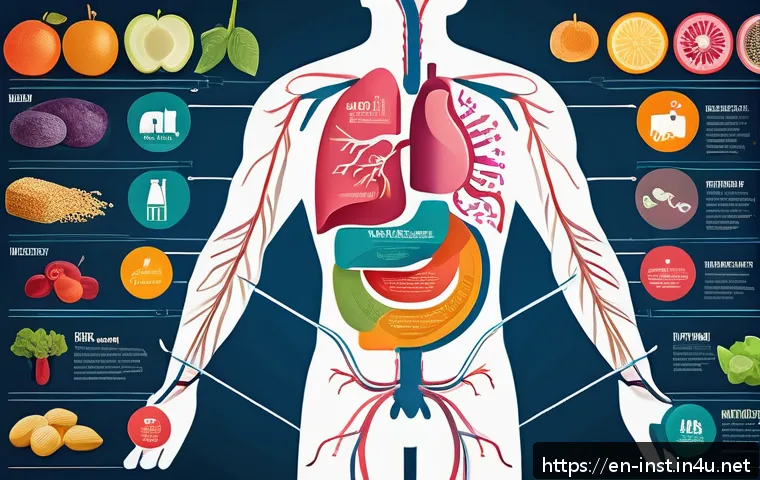
As more people lean on ready-to-eat meals, it’s crucial to understand what this convenience might be costing us in the long run. If you’ve ever wondered how these foods truly affect your well-being beyond just calories, you’re in the right place.
Let’s dive into the surprising truths behind the convenience craze and uncover what you might be overlooking.
Unpacking the Nutritional Trade-Offs of Instant Meals
Hidden Sugars and Sodium Levels
Many instant convenience foods are loaded with hidden sugars and excessive sodium, often far beyond what we realize. When I first started paying attention to nutrition labels on these meals, it was shocking to see how quickly the sodium content could skyrocket.
Excess sodium intake is linked to high blood pressure and increased risk of heart disease. Sugars, especially added sugars, contribute to energy crashes and long-term metabolic issues.
The challenge is that these ingredients aren’t always obvious from taste alone, making it easy to overconsume without noticing. This hidden overload can silently undermine your health, even if you feel fine right after eating.
The Protein and Fiber Deficiency Dilemma
Instant meals often prioritize convenience over nutritional balance, which means they tend to be low in protein and fiber. From my experience, meals lacking adequate protein leave me feeling unsatisfied and hungry soon after eating.
Fiber, which plays a critical role in digestion and maintaining stable blood sugar levels, is also frequently missing in these options. The absence of these key nutrients can lead to overeating later or cravings for unhealthy snacks, creating a vicious cycle that’s tough to break.
Balancing your diet with protein and fiber-rich whole foods alongside convenience meals is essential for sustained energy and gut health.
The Impact of Preservatives and Additives
Preservatives and artificial additives are a staple in many instant foods to extend shelf life and enhance flavor. While they make life easier, I’ve noticed that some people, including myself at times, can experience bloating, headaches, or allergic reactions after consuming certain additives.
Long-term consumption of these substances may also affect gut microbiome diversity and immune function, though research is still evolving. Choosing brands that minimize artificial ingredients or rotating your meal choices can help reduce potential negative effects.
How Instant Foods Influence Your Energy and Mood
The Blood Sugar Rollercoaster Effect
One thing I’ve personally felt after eating many instant convenience foods is a quick surge in energy followed by an inevitable crash. This happens because these meals often contain refined carbohydrates and sugars that spike blood glucose rapidly.
The subsequent crash can leave you feeling lethargic, irritable, and craving more quick fixes, which isn’t ideal when you’re juggling a busy day. Stabilizing blood sugar by combining instant meals with protein, healthy fats, or fiber-rich snacks can mitigate this effect and help maintain steady energy levels throughout the day.
Brain Fog and Concentration Challenges
It might surprise you, but what you eat directly affects your cognitive function. I’ve noticed that relying too heavily on instant meals sometimes leads to moments of sluggish thinking or difficulty focusing.
This is likely due to the lack of essential micronutrients such as B vitamins, omega-3 fatty acids, and antioxidants commonly missing in these foods. Over time, this nutritional gap can make it harder to stay sharp and mentally alert, especially during demanding work or study sessions.
The Role of Hydration and Meal Composition
Many instant foods are quite salty and can contribute to dehydration if you’re not mindful. I’ve learned the hard way that skipping water or hydrating poorly after eating these meals leads to headaches and fatigue.
Balancing convenience foods with plenty of water and fresh produce can help offset these effects and improve overall mood and energy. Also, pairing instant meals with simple additions like a side salad or fruit can boost hydration and nutrient intake.
Long-Term Effects on Digestive Health
Gut Microbiome Disruptions
The gut microbiome thrives on diverse, fiber-rich foods, which are often scarce in instant meals. From what I’ve read and experienced, a diet heavily reliant on these convenience foods can reduce the variety of beneficial bacteria in your gut, leading to digestive discomfort, bloating, or irregular bowel movements.
A healthy microbiome is essential not only for digestion but also for immune health and even mental well-being. Incorporating fermented foods and fiber supplements can help restore balance when you rely on instant meals.
Inflammation and Digestive Sensitivities
Processed ingredients and additives in instant foods can sometimes trigger inflammation in the gut lining, especially for those with underlying sensitivities or conditions like IBS.
Personally, I’ve seen friends struggle with flare-ups after consuming certain pre-packaged meals. Chronic inflammation in the digestive tract can impair nutrient absorption and contribute to long-term health issues.
Being mindful about ingredient quality and paying attention to your body’s reactions is key to minimizing these risks.
Importance of Meal Timing and Portion Control
Instant meals are often designed to be quick fixes, which can encourage eating on the go or skipping balanced meals. I’ve noticed that erratic meal timing combined with oversized portions from convenience foods can disrupt digestion and cause discomfort.
Eating smaller, more frequent meals with a balance of macronutrients supports digestive health and prevents overeating. This approach also helps maintain steady energy and keeps hunger cues in check.
Balancing Convenience with Nutritional Quality
Smart Shopping and Ingredient Awareness
When I shop for instant meals, I’ve learned to scrutinize ingredient lists carefully, choosing options with whole food ingredients, lower sodium, and no artificial additives.
Knowing how to decode labels empowers you to make better choices even when time is tight. For example, meals with recognizable ingredients and minimal preservatives tend to be better for your overall health.
It’s also helpful to compare nutrition facts to select the most balanced options available.
Complementing Instant Meals with Fresh Foods
Pairing convenience foods with fresh fruits, vegetables, nuts, or yogurt can dramatically improve the meal’s nutritional profile. I often add a handful of spinach or a sliced avocado to a quick meal to boost fiber, vitamins, and healthy fats.
This simple habit not only makes meals more satisfying but also helps fill the nutrient gaps inherent in many instant foods. It’s a small effort that pays off in sustained energy and better digestion.
Batch Preparation and Meal Planning
One strategy I swear by to avoid over-reliance on instant meals is batch cooking and meal prepping on weekends. Preparing wholesome meals in advance means fewer cravings for quick fixes during hectic weekdays.

Even if you have limited time, cooking in bulk and freezing portions can be a lifesaver. This approach reduces stress around mealtime and supports healthier eating habits, allowing you to enjoy convenience without sacrificing nutrition.
Understanding the Economic and Environmental Footprint
Cost Comparison: Instant vs. Homemade
At first glance, instant meals seem like a budget-friendly choice, especially when time is limited. However, when you factor in the cost per serving and nutritional value, homemade meals often deliver more bang for your buck.
From my own budgeting experience, investing a bit more time in cooking can save money in the long run by reducing the need for multiple snack purchases and improving overall health, which may lower medical expenses.
Packaging Waste and Sustainability Concerns
One downside of instant convenience foods is the excessive packaging waste they generate. Plastic trays, wrappers, and single-use containers contribute significantly to landfill accumulation.
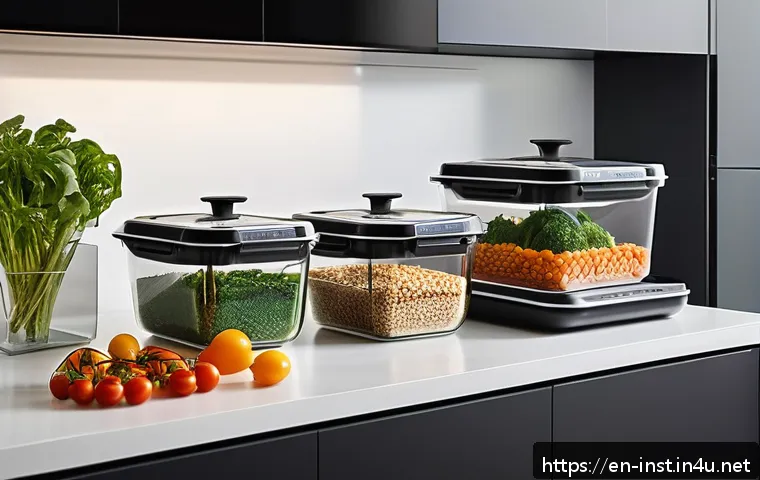
Being environmentally conscious, I try to select brands that use recyclable or biodegradable packaging or opt for bulk-prepared meals stored in reusable containers.
This small change helps reduce your environmental footprint while still enjoying the convenience you need.
Supporting Local and Ethical Food Choices
When possible, choosing instant meals from local producers or companies with transparent sourcing practices adds an ethical dimension to convenience eating.
I’ve found that supporting brands committed to sustainable farming and fair labor practices not only feels good but also often means fresher, higher-quality ingredients.
This approach aligns with a growing trend of conscious consumerism that balances convenience with responsibility.
Key Nutrient Profiles in Popular Instant Foods
| Instant Food Type | Average Calories | Sodium (mg) | Protein (g) | Fiber (g) | Common Additives |
|---|---|---|---|---|---|
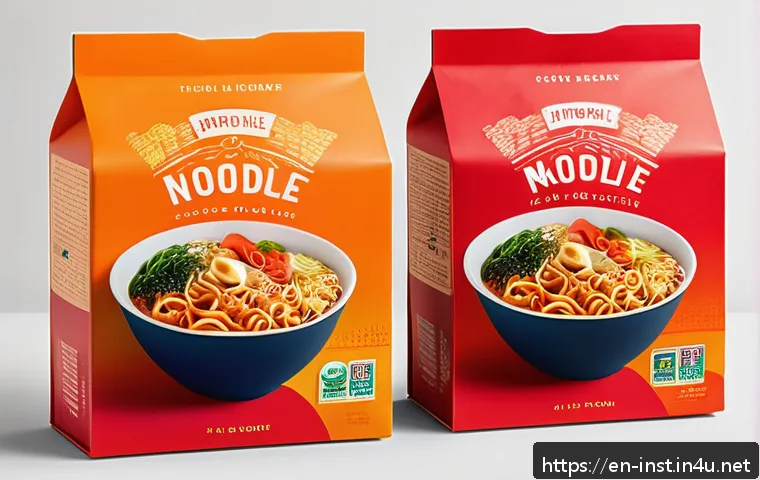
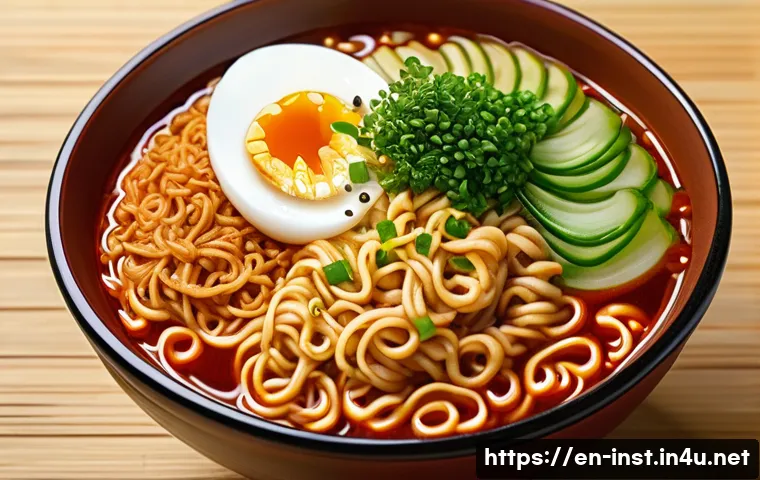
| Instant Noodles | 380 | 1500 | 7 | 2 | Monosodium Glutamate (MSG), Artificial Flavors |
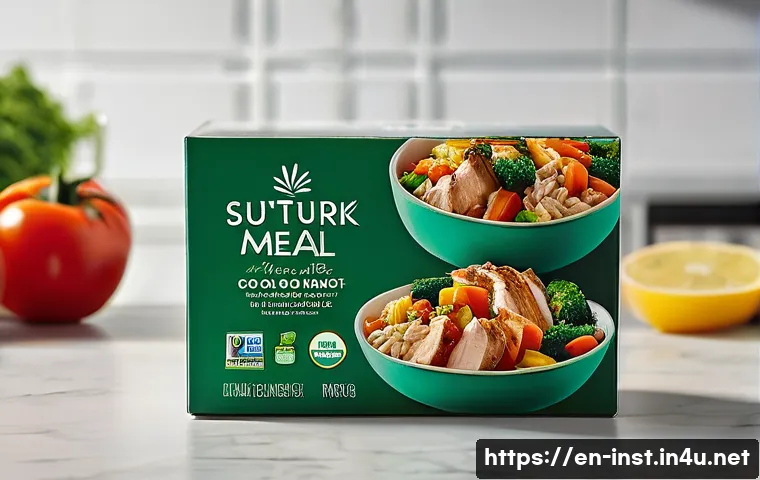
| Microwaveable Frozen Meals | 350 | 900 | 15 | 3 | Preservatives, Emulsifiers |
| Pre-Packaged Sandwiches | 320 | 700 | 12 | 1 | Artificial Colors, Stabilizers |
| Ready-to-Eat Salads | 250 | 400 | 10 | 5 | Preservatives, Dressing Additives |
| Instant Oatmeal Packets | 150 | 150 | 4 | 3 | Sugar, Flavor Enhancers |
Recognizing When Convenience Crosses into Overdependence
Signs You Might Be Relying Too Much on Instant Foods
If you often feel sluggish, bloated, or find your mood fluctuating without clear reason, it might be a signal that your diet is too heavy on instant convenience foods.
I’ve seen colleagues struggle with energy dips and cravings that only improved after cutting back on processed options. Other signs include irregular digestion, persistent headaches, or difficulty concentrating.
Being mindful of these clues can prompt you to re-evaluate your eating habits before long-term damage sets in.
Strategies for Gradual Transition to Whole Foods
Switching from instant meals to whole foods doesn’t have to be abrupt or overwhelming. I recommend starting with simple swaps—like replacing an instant noodle meal with a quick stir-fry or mixing fresh veggies into a frozen dinner.
Meal planning and prepping are great tools to ease this transition. Over time, your taste buds adjust, and you’ll notice your cravings for heavily processed foods diminish, replaced by a preference for fresher, more satisfying options.
The Psychological Comfort of Convenience and How to Address It
Convenience foods often serve as emotional comfort during busy or stressful times. I get it—after a long day, the last thing you want is to cook from scratch.
Recognizing this emotional attachment is key to finding healthier alternatives that still feel comforting and easy. Experimenting with quick, nutritious recipes or keeping healthy snacks on hand can help bridge this gap.
It’s all about creating a balance where convenience supports your lifestyle without compromising your well-being.
In Conclusion
Instant meals offer undeniable convenience but come with nutritional compromises that can impact your health over time. Being aware of hidden ingredients and balancing these meals with fresh, whole foods is key to maintaining energy, mood, and digestive health. Small changes in shopping habits and meal preparation can make a big difference. Ultimately, thoughtful choices help you enjoy convenience without sacrificing well-being.
Helpful Information to Keep in Mind
1. Always check nutrition labels for hidden sugars and high sodium to avoid unintentional overconsumption.
2. Incorporate protein and fiber-rich foods alongside instant meals to stay fuller longer and support digestion.
3. Stay hydrated, especially after eating salty convenience foods, to prevent dehydration-related fatigue and headaches.
4. Consider batch cooking on weekends to reduce dependence on instant meals and ensure balanced nutrition during busy days.
5. Support brands that prioritize sustainable packaging and ethical sourcing to minimize environmental impact.
Key Takeaways
Relying heavily on instant meals can lead to nutritional gaps, energy fluctuations, and digestive issues due to hidden sugars, high sodium, and lack of fiber and protein. Being mindful of ingredient quality and portion control helps prevent these problems. Pairing convenience foods with fresh produce and practicing meal planning enhances overall health while maintaining ease and speed. Lastly, recognizing signs of overdependence allows for a gradual, manageable transition toward a more balanced diet that supports both physical and mental well-being.
Frequently Asked Questions (FAQ) 📖
Q: uestions about Instant Convenience Foods and Their Health ImpactsQ1:
A: re instant convenience foods generally unhealthy compared to homemade meals? A1: While instant convenience foods offer undeniable ease, many contain high levels of sodium, unhealthy fats, and preservatives that can negatively affect your health over time.
Homemade meals typically allow for better control over ingredients and portion sizes, which can lead to more balanced nutrition. From my experience, relying heavily on ready-to-eat options often results in feeling sluggish or bloated, whereas cooking fresh meals leaves me energized and satisfied.
Q: Can eating instant convenience foods regularly lead to long-term health problems?
A: Yes, frequent consumption of these foods can increase risks for conditions like high blood pressure, heart disease, and metabolic issues due to their high salt, sugar, and artificial additive content.
I’ve noticed that when I switch to quick meals too often, my energy levels dip, and I don’t feel as mentally sharp. It’s important to balance convenience with nutrient-rich foods to maintain overall well-being.
Q: What are some practical ways to enjoy convenience without compromising health?
A: One approach is to prepare simple homemade meals in advance and freeze portions for busy days, combining the convenience factor with better nutrition.
Also, reading labels carefully helps avoid products loaded with hidden sugars or additives. Personally, I keep healthy snacks like nuts or pre-cut veggies handy to curb hunger without resorting solely to instant meals.
This balance has made a noticeable difference in how I feel throughout the day.