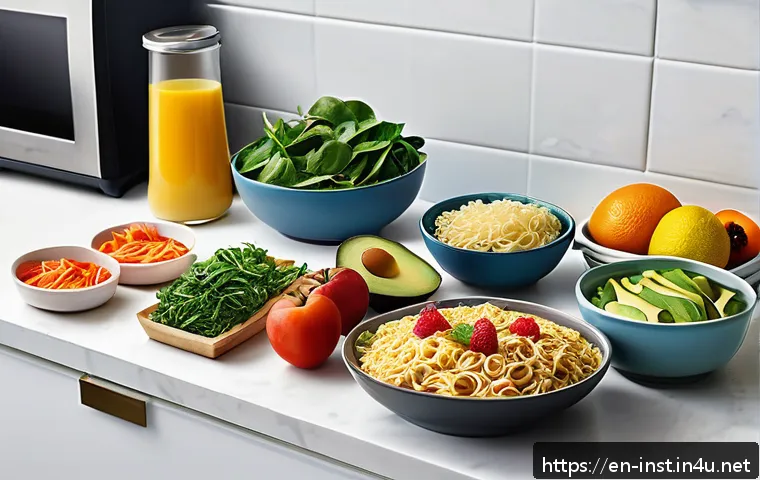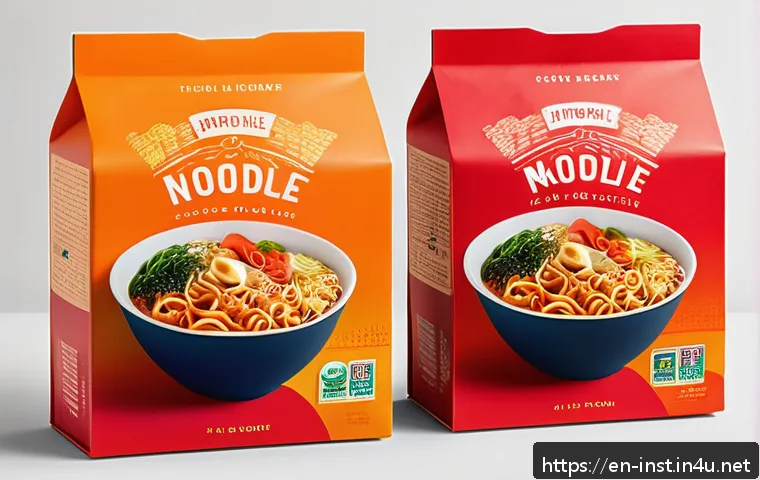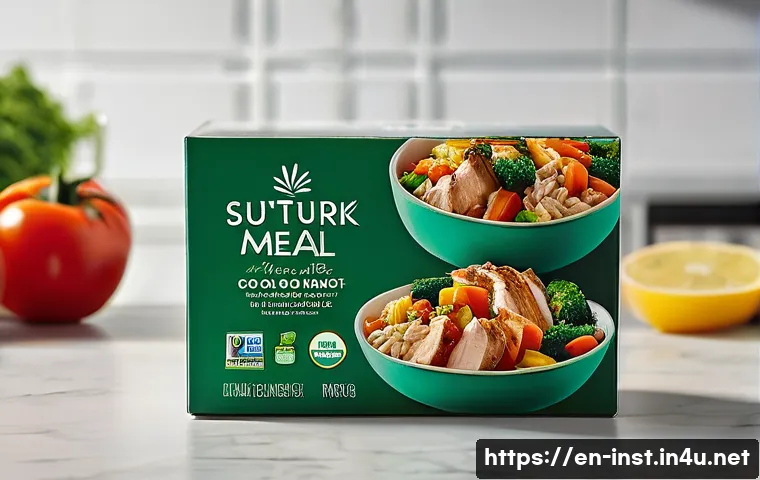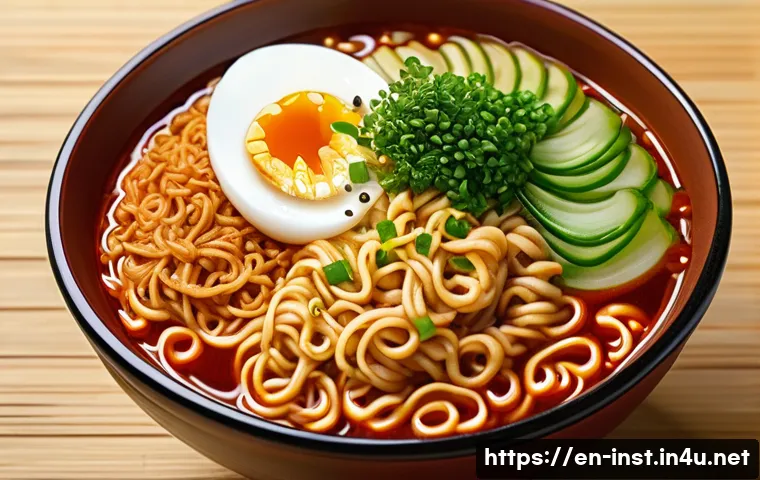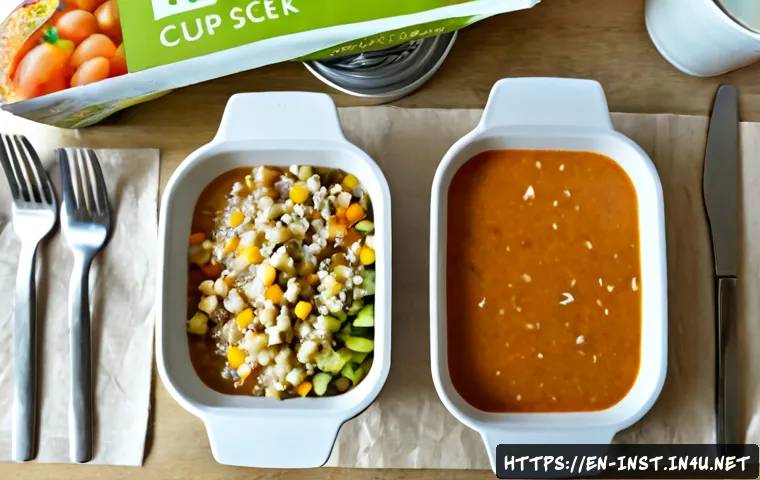
Check serving size first, then compare sodium and the protein-and-fiber balance before deciding whether an instant meal is a practical everyday choice.

The Nutrition Facts panel applies to the stated serving, not automatically to the entire package, so multiply the numbers when a package contains more than one serving.
A higher package price can be reasonable when the meal is more filling, fits your ingredient priorities, and saves meaningful preparation time. For quick grocery shopping, use the same label checks for frozen entrées, instant noodles, canned meals, refrigerated bowls, and prepared foods.
Front-label claims can be useful starting points, but the full panel and ingredient list provide the real comparison. Your best option depends on portion size, how often you eat it, your budget, and your personal dietary needs.
Quick Overview
- Check serving size first: one package may contain more than one labeled serving.
- Compare sodium, protein, and fiber: these quickly show whether a meal may be more filling and how it fits your priorities.
- Compare value per filling meal: use price per serving, but also consider portion, ingredients, and convenience.
| Convenience Food Option | What to Compare on the Label | Value Question to Ask |
|---|---|---|
| Budget instant meals | Serving size, sodium, protein, fiber, added sugars | Will one prepared serving feel like a meal, or will you need additions? |
| Premium frozen meals | Full-container nutrition, ingredients, saturated fat, protein, fiber | Does the extra cost improve convenience, portion, or your preferred ingredients? |
| Meal kits | Serving count, preparation needs, ingredients, and meal-level nutrition | Is the prep time worth the convenience compared with grocery ready meals? |
| Ready-to-eat grocery options | Portion size, sodium, allergens, and preparation instructions | Is it truly ready for your schedule, and does the listed portion match your appetite? |
The Fastest Way to Judge an Instant Meal Label
The quickest useful check is not calories alone. Start with serving size, then look at sodium and whether protein and dietary fiber make the item feel more like a meal than a snack. This takes less than a minute and works across shelf-stable, frozen, refrigerated, and prepared convenience foods.
Start With Serving Size Before Reading Calories
Nutrition Facts values apply to the serving size printed on the package. A container that looks like one lunch may list multiple servings, which means calories and nutrients may need to be multiplied if you plan to eat the whole package. Check both the serving size and the number of servings per container before comparing two products.
This step prevents a common shopping mistake: choosing an item because its front panel appears lighter than another option, while overlooking that the label covers only part of the package. For a fair comparison, compare the amount you expect to eat.
Check Sodium, Protein, and Fiber in Under One Minute
Sodium is a useful comparison point for packaged convenience foods. In the U.S., 5% Daily Value or less is generally considered low, while 20% Daily Value or more is generally considered high for a nutrient. Use that context to compare similar meals rather than relying only on marketing language.
Next, check protein and dietary fiber. These can help distinguish a more filling meal from a snack-like product. A meal does not need to look identical to another product to be compared well; simply ask which option provides the portion and balance you need for that occasion.
Use Added Sugars and Saturated Fat as Supporting Checks
After serving size, sodium, protein, and fiber, review added sugars and saturated fat. These are especially useful when two meals have similar portions and calories. They should not replace the main comparison, but they can help you spot a product that does not fit your everyday preferences.
Compare Convenience Food Options by Nutrition and Value
Convenience food is not one category. An instant noodle cup, a frozen entrée, a canned meal, and a refrigerated grain bowl can differ greatly in portion size and nutrient density. Compare the label for the meal you will actually eat, then weigh its convenience against its cost.
Instant Noodles, Frozen Entrées, Canned Meals, and Refrigerated Bowls
Use the same routine for every format: serving size first, then sodium, protein, fiber, saturated fat, added sugars, and ingredients. Refrigerated or prepared food is not automatically a better choice, and shelf-stable food is not automatically a poorer one. The package details matter more than the category name.
For frozen meals and grocery prepared foods, read the preparation instructions too. The final portion and the way you prepare it can affect whether it works as a quick lunch, a family dinner component, or a backup meal.
Price per Serving Versus Price per Filling Meal
Compare price per serving, not package price. Then take one extra step: ask whether that serving is likely to work as your meal. A lower-priced package may seem like the best grocery value, but it may not be the practical choice if you need to add several foods to make it satisfying.
On the other hand, a higher-priced healthy convenience food may offer better everyday value if it matches your portion needs, ingredient preferences, and schedule. This is also a useful way to compare grocery delivery selections, prepared meal counters, and meal subscription options without assuming that one format is always superior.
When a Premium Convenience Meal May Be Worth the Extra Cost
A premium option can be worth considering when it gives you a more suitable portion, a protein-and-fiber balance you prefer, clearer ingredient information, or meaningful time savings. It may not be worth the extra cost when the label does not improve on a less expensive alternative for the priorities that matter to you.
Before choosing a meal-delivery service or a ready-to-eat option, review its current meal details, serving information, ingredients, and ordering terms on the relevant page.
Read the Package Without Common Label Mistakes
Smart label reading means checking the back of the package, not just the front. Claims can help narrow your choices, but the Nutrition Facts panel and ingredient list are where you confirm what you are buying.
Do Not Assume One Package Equals One Serving
Single-serve-looking packages can contain more than one serving. If you intend to finish the container, multiply the listed calories and nutrients by the number of servings. This is particularly important when comparing sodium or added sugars across products.
Look Beyond Front-Label Claims
Terms such as “high protein” or “low sodium” can be helpful signals, but they are not a complete comparison. Check the full Nutrition Facts panel, including serving size, and read the ingredient list. A claim may be relevant, but it may not address your own top priority.
Review Ingredients, Allergens, and Preparation Instructions
Ingredients are listed by weight, which can help you identify major components. The ingredient list can also help you check potential allergens. If you manage an allergy, medical condition, or prescribed eating plan, confirm the current package information and consult an appropriate qualified professional when needed.
Choose Better Options for Different Everyday Situations

The “best” instant meal changes with the situation. A desk lunch, emergency pantry meal, and post-workout meal may call for different comparisons, even when you are shopping in the same aisle.
Quick Work Lunches and Desk Meals
For a work lunch, prioritize a portion you can realistically prepare and eat within your break. Check whether the package needs refrigeration, heating, utensils, or extra ingredients. Protein and fiber are useful checks when you want a meal that feels more substantial than a quick snack.
Pantry Staples for Busy or Emergency Days
Shelf-stable options can be useful for busy days because they are available when fresh food or meal prep is not. Compare serving size and sodium before stocking up. Keep the preparation requirements in mind, especially if you may not have full kitchen access.
Higher-Protein and Higher-Fiber Choices for Fuller Meals
When fullness is a priority, compare protein and dietary fiber rather than choosing based on package design or a single front-label claim. You can also build a more complete meal by pairing an instant food with simple additions that fit your budget and kitchen access.
Make a More Balanced Instant Meal at Home
Instant meals can be a convenient base rather than the entire meal. Small additions can change the portion and balance without turning a quick option into a long cooking project.
Add Vegetables, Beans, Eggs, or Lean Protein
Consider adding vegetables, beans, eggs, or lean protein when they fit the meal and your needs. These additions can help turn a smaller packaged item into a more complete plate. Read labels on both the base meal and any added packaged sauces or toppings.
Reduce Sodium From Seasoning Packets and Sauces
Seasoning packets and sauces can be important sources of sodium in some products. If the package allows separate use, consider using less and tasting before adding more. This is a practical adjustment, not a guarantee that the finished meal will meet any individual dietary target.
Match Portion Size to Hunger and the Rest of the Day
A label is a comparison tool, not a personal prescription. Choose a portion based on your hunger, the rest of your day, and what you are adding to the meal. If you eat the whole container, use the whole-container totals in your comparison.
Selection Criteria and Comparison Summary
Before adding an instant meal to your cart, use this priority order:
- 1. Serving size: Is the label for the amount you will actually eat?
- 2. Sodium: How does it compare with similar options?
- 3. Protein and fiber: Does the meal look likely to be more filling than a snack-like alternative?
- 4. Added sugars and saturated fat: Do they fit your personal priorities?
- 5. Ingredients and allergens: Are the major components and potential allergens acceptable for you?
- 6. Real value: Compare price per serving, preparation time, portion, and convenience together.
Choose budget products when they meet your label priorities and work with simple additions. Consider premium frozen meals, ready-to-eat grocery meals, or meal-delivery options when their portion, ingredients, and time savings justify the cost for your routine. For current ingredients, serving details, delivery conditions, and product availability, check the relevant product or service page before ordering.
Final Thoughts
You do not need to memorize every number on a Nutrition Facts panel to shop more confidently. Start with serving size, compare sodium, and look for protein and fiber that support the kind of meal you want. Then use ingredients, added sugars, saturated fat, and price per serving to make the final choice. A convenient meal can be a practical option when you read the package based on your own routine rather than its front-label promise.
Useful Things to Know
5% Daily Value or less is generally considered low, while 20% Daily Value or more is generally considered high in the U.S. Nutrition Facts values are tied to the listed serving size. Ingredient lists are ordered by weight. Product formulas, prices, and availability can change, so review the current package when you shop.
Important Notes
This guide supports general grocery and meal comparison decisions. It cannot determine whether a specific instant food is appropriate for an allergy, medical condition, or dietary prescription. The effect of any one product also depends on portion size, overall diet, activity level, and how often it is eaten. Always verify the current label and ingredient information on the product you are considering.
Frequently Asked Questions
Q1. What should I check first on an instant food nutrition label?
A1. Check the serving size and servings per container first. Then compare sodium, protein, and dietary fiber for the amount you expect to eat. This keeps you from comparing a partial serving of one product with an entire package of another.
Q2. Are more expensive frozen meals usually healthier than cheaper instant meals?
A2. Not necessarily. Price alone does not show nutrition quality or personal value. Compare the full Nutrition Facts panel, ingredient list, portion size, and the convenience you actually receive. A higher price may be worthwhile for some shoppers, but it is not proof that a meal is a better fit.
Q3. How can I make instant noodles or packaged meals more nutritious without spending much?
A3. Use the packaged meal as a base and consider adding vegetables, beans, eggs, or lean protein when practical. Check sodium on the label, and use less of a separate seasoning packet or sauce when the product allows it. Compare the finished portion with your hunger and the rest of your day.