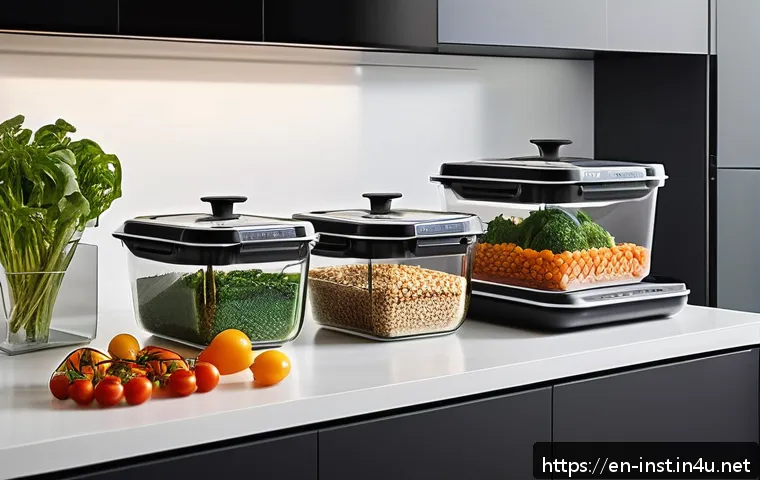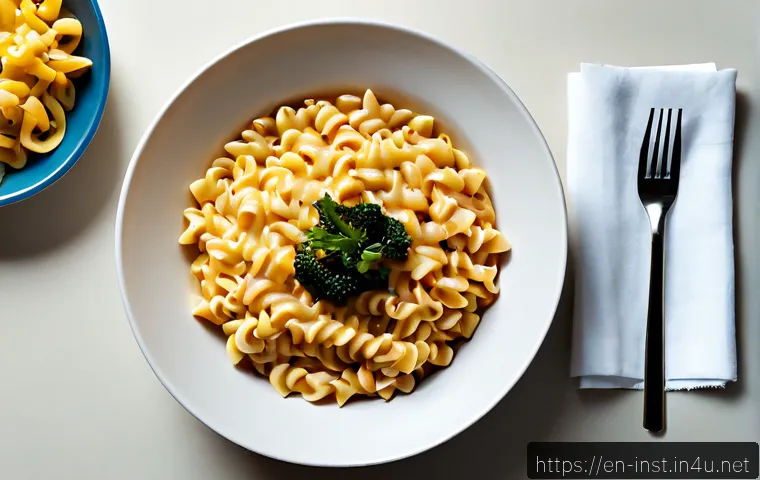
Frozen meals are often the practical choice for longer storage and simple weeknight dinners, while shelf-stable meals work well for low-effort pantry backups.
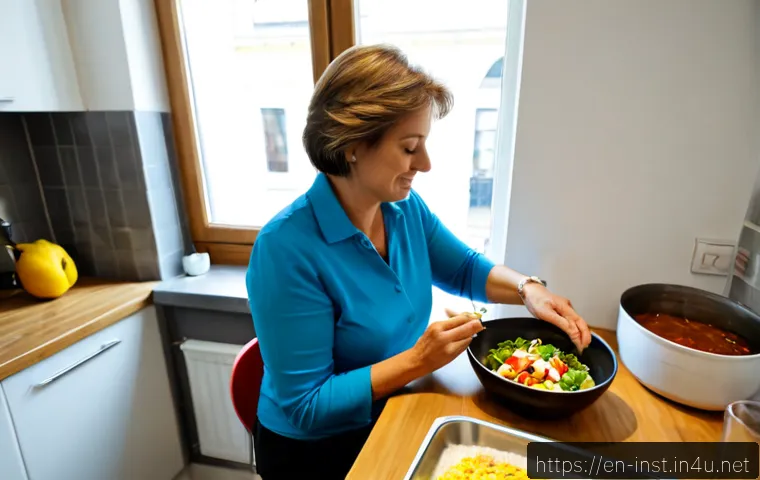
Refrigerated prepared meals and meal subscriptions can offer more ingredient control or less planning, but shoppers should compare portion size, use-by dates, and total delivered cost before paying more.
The best instant convenience meal is not one format for every household. It is the option that fits your schedule, storage space, nutrition priorities, and actual cost per serving.
Familiar flavors, clear Nutrition Facts labels, and reliable portions also matter when choosing meals you will buy again. Comparing grocery delivery, frozen meal pricing, and subscription conditions can prevent small convenience costs from adding up.
Check the label and unit price before treating a low package price as a bargain.
At a Glance
- For longer storage: frozen and shelf-stable meals are usually easier to keep on hand than refrigerated prepared meals.
- For a realistic budget comparison: compare the unit price, serving count, and cost per serving—not only the price on the package.
- For nutrition and dietary needs: review serving size, protein, sodium, added sugars, ingredients, and allergy statements before buying.
| Meal Format | Best Use | Main Cost Factors | Key Trade-Offs |
|---|---|---|---|
| Frozen entrées | Solo dinners, work lunches, stocked freezer meals | Package price, serving size, unit price, freezer space | Requires freezer storage; nutrition and portions vary by product |
| Shelf-stable ready meals | Pantry backups, dorms, office storage, unexpected busy days | Per-serving cost, package size, sauces or add-ons | Can be stored at room temperature until opened; preparation and nutrition vary |
| Refrigerated prepared meals | Quick lunches and low-prep weeknight meals | Per-serving price, use-by window, portion size | Often need to be used sooner than frozen or shelf-stable options |
| Meal kits or meal subscriptions | Planned dinners and shoppers seeking more ingredient involvement | Subscription terms, delivery fees, add-ons, servings per box | Requires delivery planning and a careful review of total order cost |
What Shoppers Usually Want From a Quick Ready-to-Eat Meal
The balance between speed, taste, portion size, and price
Most shoppers want a meal that is fast, familiar, filling enough, and reasonably priced. Those goals do not always point to the same product. A small ready meal may look inexpensive at first, but its cost per serving can be less appealing if you need another item to make it satisfying. A larger package may be a better value only when its listed servings match how your household will actually use it.
For a busy household, convenience also includes storage. A frozen entrée may be useful when you need a dinner that can wait in the freezer. A shelf-stable soup, noodle meal, or ready meal may be more useful when freezer space is limited or when you want a pantry option available without a grocery trip.
Why familiar flavors and easy preparation influence repeat purchases
A meal can have a strong nutrition label and still be a poor repeat purchase if the preparation is inconvenient or the flavor does not suit the buyer. Familiar flavors can make convenience foods easier to use consistently, especially for work lunches, students, and families with different preferences. Look beyond the front-of-package description and check the preparation directions, listed serving size, and ingredients.
Preparation can also affect the real value of a meal. If a product needs extra ingredients, multiple containers, or more time than expected, it may not fit a rushed evening. That does not make it a bad choice; it simply means the convenience level should match the routine you are shopping for.
A three-line quick answer for choosing the right meal format
Choose frozen meals when longer freezer storage and simple heating are your priorities.
Choose shelf-stable meals when you need room-temperature pantry backup and easy access.
Choose refrigerated meals or meal delivery when you value low prep or greater ingredient visibility and can manage use-by dates or delivery terms.
Compare Frozen, Shelf-Stable, Refrigerated, and Meal Delivery Options
Preparation time, storage space, and shelf-life differences
Frozen meals generally require freezer storage. They can be practical for shoppers who want several meal choices ready for busy nights without needing to use them immediately. Shelf-stable meals can be stored at room temperature until opened, making them useful for a desk drawer, dorm room, pantry, or emergency food supply.
Refrigerated prepared meals can reduce planning on workdays, but they often have shorter use-by windows than frozen or shelf-stable products. Before buying several at once, consider whether they fit your actual lunch and dinner schedule. A meal subscription or grocery delivery order can save shopping time, yet it still needs a plan for storage and timely use.
Cost per serving versus package price
Package price alone is not enough for a frozen meal comparison or a grocery budget decision. One product may appear cheaper because it contains a smaller portion. Another may list multiple servings, even if one person is likely to eat the entire package. Check the Nutrition Facts panel first, then compare the stated serving count with the amount you expect to serve.
Unit pricing is another useful comparison tool when products come in different package sizes. It can help compare similar items without relying on the biggest number on the price tag. When comparing instant noodles, soups, frozen entrées, or family-size prepared meals, use unit price alongside the per-serving calculation.
When grocery delivery or meal subscriptions can add value
Grocery delivery may add value when it helps you avoid extra shopping trips or makes it easier to keep staple meals available. Meal subscriptions may appeal to shoppers who want planned meals and more direction around ingredients. Neither option is automatically the lower-cost choice. The value depends on what you order, how many servings you use, and whether delivery fees, subscription terms, or add-ons change the final total.
Before committing, review the order summary rather than focusing only on the advertised meal format. Check the number of servings, delivery conditions, optional extras, and the amount you are expected to store or prepare. Official product and subscription pages are the best place to review current terms and delivery details.
How to Read Labels Before Buying Convenience Meals
Serving size, protein, fiber, sodium, and added sugars
The Nutrition Facts label provides a consistent starting point for packaged foods sold in the United States. Begin with serving size. Then review calories, protein, sodium, added sugars, and other listed nutrient information that matters to your household. Fiber may also be a useful point of comparison when it appears on the label.
A higher-protein convenience meal may fit some shoppers’ preferences, but protein alone does not tell the whole story. Compare it with the listed portion size, sodium, and added sugars. A product’s suitability depends on your needs, the rest of your meals, and any dietary guidance you already follow.
Ingredient and allergen checks that prevent common mistakes
Ingredient lists and allergy statements deserve as much attention as front-label claims. Check them carefully when buying for people with food allergies, sensitivities, or other dietary restrictions. Sauces, seasoning packets, toppings, and meal components can change the ingredient profile of products that otherwise look similar.
Do not assume that two meals with the same general flavor or category have the same ingredients. Read each product label, particularly when switching package sizes, flavors, or retailers. If a meal is being considered for a medical dietary need, confirm suitability with an appropriate qualified professional rather than relying on general comparisons.
Comparing unit prices across different package sizes
Unit pricing helps shoppers compare products sold in different sizes, such as a single frozen entrée versus a multipack, or a small soup container versus a larger ready-meal package. It is especially useful when bulk-buy options look cheaper at checkout. A larger package is only a better value if you can store it properly and use it before its relevant date.
For budget-focused shopping, compare three things together: unit price, servings per package, and likely waste. This simple check can be more useful than chasing a low sticker price.

Choose the Right Option for Your Routine and Budget
Fast work lunches and solo dinners
For office lunches, consider how the meal will be stored and heated. Shelf-stable meals can be convenient where refrigerator access is limited, while frozen or refrigerated meals may work better when a freezer, refrigerator, and microwave are available. Check whether the meal is one serving before relying on it as a complete lunch.
For solo dinners, frozen entrées can make portion control easier when each package is clearly designed around a single serving. Refrigerated prepared meals may also fit a short evening schedule, but their shorter use-by windows make buying only what you expect to eat especially important.
Pantry backup meals for busy weeks or unexpected disruptions
Shelf-stable ready meals, soups, and instant noodles can be practical pantry backups because they can be stored at room temperature until opened. They are useful for weeks when schedules change, grocery delivery is delayed, or there is little time to shop. Keep the label in view: quick pantry options can differ substantially in serving size, sodium, protein, and added sugars.
A simple approach is to keep more than one type of backup meal. This provides variety without assuming that a single product will fit every lunch, dinner, or dietary preference.
Family-friendly options and ways to manage multiple portions
For family dinners, check the serving count carefully. A package labeled as multiple servings may not match the portions your family expects. Family-size frozen meals or meal kits can simplify planning, but compare their stated servings with the number of people eating and any sides you may need.
Meal delivery can be useful when planned portions reduce shopping decisions, but the final value depends on subscription conditions and how consistently the meals are used. If leftovers are likely, consider storage needs before ordering more than your household can reasonably finish.
Common Buying Mistakes With Ready Meals
Assuming one package equals one serving
This is one of the easiest ways to misjudge both nutrition and cost. A package can contain more than one serving, and a single serving can be smaller than expected. Always compare the serving size on the Nutrition Facts label with the amount you plan to eat.
Ignoring storage needs and use-by dates
A meal is not convenient if it does not fit your available storage. Frozen foods need freezer space, refrigerated meals need prompt use, and shelf-stable products still need to be stored according to their package directions. Check dates and storage instructions before stocking up.
Paying for convenience without checking delivery, subscription, or add-on costs
Meal subscriptions and grocery delivery can be helpful services, but the total can change with delivery fees, subscription conditions, and optional items. Review the final order before checkout. A convenience purchase should be evaluated on the full cost, not only the price attached to each meal.
Selection Criteria and Comparison Summary
Before choosing a quick meal, use this short decision check:
- Compare unit price when package sizes differ.
- Check servings before deciding whether the package fits one person or a family.
- Review sodium, protein, added sugars, and ingredients on the Nutrition Facts label.
- Match storage to your routine: freezer, pantry, or refrigerator.
- Review delivery fees and subscription terms before ordering meal delivery or recurring boxes.
For current product details, delivery conditions, and subscription terms, check the relevant retailer or provider page before placing an order.
Closing Thoughts
Convenience meals work best when they solve a specific problem: a rushed lunch, an unplanned dinner, or a pantry gap. Frozen, shelf-stable, refrigerated, and subscription options can all have a place in a practical grocery routine. The smarter comparison is not which format is universally best, but which one offers the right balance of storage, preparation, portion size, and total cost for your household. A quick label check can make that decision much easier.
Useful Things to Know
Nutrition Facts labels list serving size, calories, sodium, added sugars, protein, and other nutrient information for packaged foods sold in the United States.
Lower package price does not always mean a lower per-serving cost.
Refrigerated prepared meals often need to be used sooner than frozen or shelf-stable choices.
Allergy statements and ingredient lists should be reviewed for every relevant product.
Important Notes
Specific prices, promotions, delivery fees, availability, flavors, and product quality vary by retailer and location. A general comparison cannot determine whether a particular meal will suit an individual’s taste or medical dietary needs. Always review the current package label, storage instructions, ingredient list, and retailer or subscription details before buying.
Frequently Asked Questions
Q1. What type of instant convenience meal is usually the most affordable per serving?
A1. There is no single format that is always the least expensive. Shelf-stable meals, frozen entrées, multipacks, and larger packages can all vary. Compare the unit price, listed servings, and the amount you expect to eat rather than relying only on the package price.
Q2. Are frozen meals or refrigerated prepared meals better for busy workweek lunches?
A2. Frozen meals may be more practical when you need longer storage and have freezer access. Refrigerated prepared meals can be convenient for near-term lunches, but they often have shorter use-by windows. The better choice depends on your storage access and weekly schedule.
Q3. What should I check on a convenience meal label if I want a healthier option?
A3. Start with serving size, then compare calories, protein, sodium, added sugars, and any other nutrient information relevant to your priorities. Also read the ingredient list and allergy statement. For medical dietary needs, confirm choices with an appropriate qualified professional.