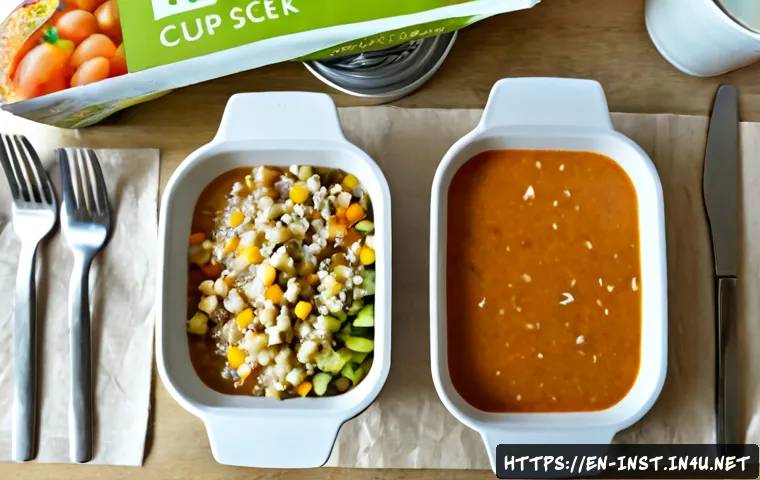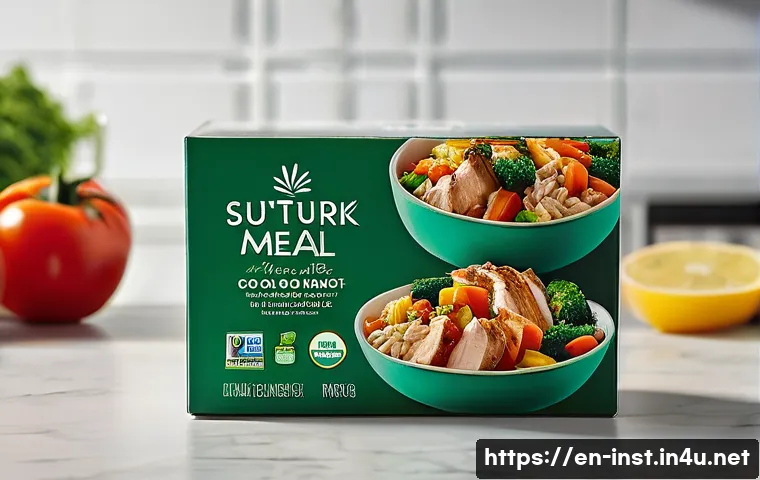
For the fastest solo meals, choose a format that fits your available equipment and storage: refrigerated or frozen meals are often the most straightforward options.
For better weekly value, compare the usable serving count, preparation requirements, and cost per serving—not just the package price. Ready-made meals can be refrigerated, frozen, shelf-stable, or delivered fresh, and each format suits a different routine.
A fresh delivery service may reduce shopping effort, while supermarket multipacks can be easier to store and compare. Nutrition labels and full ingredient lists matter when protein, fiber, sodium, allergens, or dietary preferences are priorities.
The right choice depends on your household size, freezer space, delivery access, and how often you need a meal with minimal preparation.
At a Glance
- For speed: Refrigerated and frozen meals can be practical when you need a meal with little preparation.
- For value: Compare the cost per usable serving, especially when choosing multipacks, premium prepared foods, or meal delivery subscriptions.
- For nutrition needs: Check the full nutrition, ingredient, and allergen labels instead of relying only on front-of-pack claims.
| Meal Format | Storage | Preparation Consideration | Portion Flexibility | Cost Comparison Focus |
|---|---|---|---|---|
| Refrigerated ready meals | Refrigerator | Follow heating and use-by instructions carefully | Often designed as an individual or shared meal | Compare package price with actual servings |
| Frozen ready meals | Freezer | Check required heating method and available freezer space | Can be useful for flexible meal planning | Review multipack value and per-serving cost |
| Shelf-stable meals | Pantry | Check whether heating, water, or additional ingredients are needed | Useful for backups and limited-kitchen setups | Compare convenience with ingredient and nutrition preferences |
| Fresh delivered meals | Usually refrigerated on arrival | Confirm delivery timing, storage guidance, and heating instructions | May suit scheduled lunches or dinners | Include delivery fees and subscription terms in the comparison |
The Quick Answer: Choose the Meal Format That Matches Your Week
The best convenient meal is not always the one with the shortest preparation. It is the one that fits your schedule, storage space, household size, and nutrition priorities. Before adding meals to your cart, decide whether you need an immediate lunch, a family dinner shortcut, or a pantry backup for days when shopping is not possible.
Best for Fastest Solo Lunches
For a solo work lunch, an individual refrigerated or frozen meal can be a simple choice when you have access to the required heating equipment. Check the package serving size before assuming it is a complete meal for one person. If you are comparing grocery delivery options, consider whether the meal can be stored safely until your lunch break and whether its instructions work with your office kitchen setup.
Best for Family Dinners With Minimal Prep
For shared dinners, look beyond the front label and confirm how many people the package is realistically expected to serve. A meal described as family-sized may still need side dishes, depending on your household’s appetite and expectations. Larger refrigerated trays, frozen meals, and prepared grocery foods can reduce prep work, but the cost per serving is the more useful comparison than the package price alone.
Best for Stocking an Emergency Meal Backup
Shelf-stable options and freezer-friendly meals can provide a useful backup when fresh groceries are low or a delivery is delayed. Choose items that match the equipment you have available. Some products may require heating, water, or extra ingredients, so they are not automatically a no-prep solution. Keep storage instructions visible and rotate products according to their use-by or best-by guidance.
Compare Ready-Made Meal Types Before You Buy
Convenient food can save time, but every format has a trade-off. Refrigerated meals may feel close to a freshly prepared option, frozen meals can offer longer storage flexibility, shelf-stable foods can support pantry planning, and fresh meal delivery services may reduce grocery shopping effort. The practical choice depends on what creates the least friction in your week.
Refrigerated Meals Versus Frozen Meals
Refrigerated meals need careful attention to storage and use-by dates. They may be useful when you plan meals for the next few days and want a quick heating option. Frozen meals may be easier to keep on hand for longer-term planning, but they require enough freezer capacity and appropriate heating equipment.
Neither format is automatically better for nutrition or value. Compare the nutrition label, ingredients, serving size, and per-serving cost on the products you are considering. Also follow the heating instructions exactly, particularly for refrigerated products where food-safety guidance is important.
Shelf-Stable Options Versus Fresh Delivery Services
Shelf-stable meals are helpful for limited storage situations, emergency meal planning, and homes where a freezer is already full. However, check the label to see whether the product is ready to eat or requires preparation. A pantry meal that needs extra components may not solve a busy-night problem by itself.
Fresh meal delivery services can be appealing if grocery shopping is difficult to schedule. Before choosing a meal delivery subscription, review the delivery window, refrigeration requirements, recurring order settings, and full subscription terms. A delivered meal can be convenient, but it should still fit your actual eating schedule and available refrigerator space.
Cost Per Serving, Delivery Fees, and Multipack Value
A lower package price does not always mean a lower meal cost. Start with the number of usable servings, then compare what each person will actually eat. If a meal needs additional sides or ingredients, include those items in your mental total. For meal delivery subscriptions, consider delivery fees and any recurring charges alongside the meal price.
Multipacks can be useful when you know the meals will be eaten and stored properly. They are less useful if they crowd out freezer space, do not match household preferences, or lead to food being discarded. Value means food you can realistically use, not simply the largest box or the most meals in one order.
What to Check on the Label Before Adding a Meal to Your Cart
The label is the fastest way to avoid a disappointing purchase. It can show whether the portion is suitable, whether the meal supports your preferred nutrition approach, and whether it contains ingredients or allergens you need to avoid.
Portion Size, Protein, Fiber, and Sodium
Begin with the stated serving size, then decide whether that amount matches a solo lunch, a dinner, or a shareable meal in your home. Use the nutrition label to compare calories, protein, fiber, sodium, saturated fat, and added sugars across similar options. A meal marketed as healthy may not align with every person’s goals, so compare the details rather than trusting a broad claim.
Allergens, Dietary Claims, and Ingredient Preferences
Dietary suitability depends on the full ingredient and allergen label, not only on terms placed prominently on the front of the package. This matters for people managing allergies, ingredient preferences, or more specific dietary requirements. If a product is being considered for a medical dietary need, use the package information carefully and seek appropriate professional guidance when needed.
Storage Instructions and Use-By Dates
Check where the meal must be stored before you buy it. Refrigerated, frozen, shelf-stable, and delivered fresh products have different requirements. Confirm that you have room at home and that you can follow the product’s heating and food-safety instructions. This small step can prevent a convenient purchase from becoming wasted food.
Common Buying Mistakes That Make Convenient Meals Less Convenient
Ready meals work best when they remove a real obstacle. The most common mistakes happen when shoppers focus on the appealing package image but overlook the practical details that affect cost, timing, and storage.

Comparing Package Prices Instead of Usable Servings
Always ask, “How many meals does this actually provide for my household?” A package may list more than one serving, while a hungry individual or a family may view it differently. Compare meals on a per-serving basis, then consider whether side dishes are required to make the meal satisfying.
Buying Meals That Require Equipment or Time You Do Not Have
A meal is only convenient if it works in your actual setting. Office workers may need a product that can be prepared with available workplace equipment. Students and caregivers may need something that fits a limited kitchen. Read the heating instructions before purchasing, especially if the meal will be used outside your home.
Forgetting Freezer Space, Delivery Windows, and Recurring Subscription Charges
Freezer space is a real buying limit, particularly when purchasing multipacks. For fresh delivery meals, make sure someone can receive and refrigerate the order appropriately. If you are considering a subscription, review the recurring billing and delivery conditions before committing. Convenience should not create a new scheduling or budget problem.
Which Ready Meal Works Best for Your Situation?
The most useful product category changes with your routine. Instead of looking for one universal “best” ready-made meal, choose a format that solves your most frequent meal challenge.
Office Lunches and Hybrid Workdays
For office lunches, prioritize portability, clear storage guidance, and heating instructions that fit the facilities available to you. An individual refrigerated or frozen option may work well if it can be stored and prepared safely. If you work from home some days, a grocery delivery order can make it easier to keep several lunch choices available without an extra store trip.
Busy Households and Shared Dinners
For busy households, shared refrigerated or frozen meals can reduce cooking tasks, but serving size needs careful review. Compare family-style meals with a combination of smaller meals based on your household’s appetite, preferences, and weekly grocery budget. A prepared dinner may be worth a higher per-meal cost when it replaces a stressful last-minute decision, but that value is personal.
Students, Caregivers, and Limited-Kitchen Setups
For people with limited kitchen access, shelf-stable meals can be an important backup, provided the required preparation method is available. Frozen meals may be useful where freezer storage exists, while fresh delivery can be practical if delivery timing and refrigeration are manageable. Keep the choice simple: select meals you can store, heat, and eat without adding unnecessary steps.
Selection Criteria and Comparison Summary
Use these checks before choosing a retailer, multipack, prepared-food counter, or meal delivery subscription:
- Time: Can you follow the heating instructions on your busiest day?
- Budget: Compare cost per serving, not only the package price.
- Nutrition: Review serving size, protein, fiber, sodium, saturated fat, and added sugars.
- Storage: Confirm refrigerator, freezer, or pantry space before ordering in bulk.
- Suitability: Check full ingredients and allergen information for every product.
- Delivery terms: Include delivery fees, timing, and recurring subscription charges in your comparison.
Premium prepared meals may be worth considering when they reduce shopping and cooking pressure enough to fit your lifestyle. Compare cost per serving before choosing a subscription or multipack, and check the retailer or service page for current product details, delivery conditions, and subscription terms.
Closing Thoughts
Ready-made meals are most useful when they match the way you actually live, rather than an ideal meal plan. Refrigerated, frozen, shelf-stable, and delivered meals each offer a different balance of speed, storage, and planning. The best purchase is one you can store safely, prepare easily, and serve in a portion that works for your household. A quick label check and per-serving comparison can make convenient food a more reliable part of your weekly routine.
Useful Things to Know
1. Front-of-pack health claims do not replace the full nutrition and ingredient labels.
2. A meal delivery subscription should be reviewed for delivery timing, fees, and recurring order conditions.
3. Frozen and shelf-stable meals can be useful backups, but only if they fit your storage and preparation setup.
4. Follow all storage, heating, and food-safety instructions on the package.
Important Notes
Product recipes, local availability, prices, promotions, delivery fees, and subscription conditions can change by retailer, region, and date. A meal described as healthy may not meet every person’s nutrition goals or medical dietary needs. Always confirm current packaging, full ingredients, allergen information, storage requirements, and service terms before purchasing.
Frequently Asked Questions
Q1. Are frozen ready meals cheaper than fresh prepared meals?
A1. Not always. Cost can vary substantially between supermarket meals, premium prepared foods, and meal delivery services. Compare the cost per usable serving, along with any needed side dishes, delivery fees, and the likelihood that the food will be used before it is wasted.
Q2. What should I look for in a healthier ready-made meal?
A2. Check the serving size and compare calories, protein, fiber, sodium, saturated fat, and added sugars. Review the full ingredient and allergen labels as well. “Healthy” is a broad term, so the best option depends on your individual nutrition needs and preferences.
Q3. Are meal delivery subscriptions worth the cost for busy households?
A3. They may be worthwhile if they reduce grocery shopping and meal-planning pressure in a way that fits your budget. Compare per-serving cost, delivery fees, storage needs, delivery timing, and recurring subscription terms before deciding.