Life often feels like a non-stop sprint, doesn’t it? Between work, family, and trying to squeeze in a semblance of a social life, who has hours to dedicate to cooking every single meal?
I know I certainly don’t! That’s why the rise of instant convenience foods has been an absolute game-changer for so many of us. But let’s be honest, the words “instant” and “convenience” often conjure images of pricey, bland, or even unhealthy options.
What if I told you that perception is rapidly changing? We’re seeing an incredible surge in delicious, surprisingly nutritious, and—most importantly—genuinely affordable choices hitting our supermarket shelves, making healthy eating on a budget easier than ever before.
From gourmet frozen meals that rival restaurant dishes to quick-prep kits that feel like you’re actually cooking, the landscape of convenient eating is evolving fast, offering fantastic solutions for busy individuals and families alike.
I’ve personally tried countless options, separating the good from the great, and I’m thrilled to share my top picks and savvy strategies for navigating this exciting new world.
Let’s uncover the secrets to smart, stress-free eating without breaking the bank.
Reclaiming Your Evenings with Smart Freezer Finds
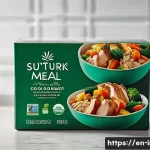
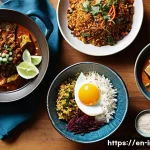
Let’s be real, after a long day, the last thing many of us want to do is chop, sauté, and simmer for an hour. That’s where the freezer aisle has truly become my best friend. Forget those sad, cardboard-tasting microwave dinners of yesteryear; today’s frozen meal market is bursting with genuinely delicious and surprisingly nutritious options that won’t break the bank. I’ve personally spent countless hours (and a fair bit of my grocery budget!) experimenting with these, separating the culinary gems from the regrettable misses. What I’ve found is that many brands are stepping up their game, offering everything from organic quinoa bowls to hearty lentil stews, all ready in minutes. It’s not just about convenience anymore; it’s about quality and ingredients you can actually recognize. The trick is to look beyond the flashy packaging and check those nutritional labels. You’d be amazed at how many single-serving options now pack a healthy punch, providing balanced macros and a good dose of veggies without excessive sodium or artificial additives. For me, these are lifesavers on those nights when my energy tank is running on empty, but my desire for a home-cooked feel is still strong. I always keep a few different varieties on hand, so I’m never stuck with the same old thing, which helps keep meal fatigue at bay.
Elevating Your Frozen Dinner Experience
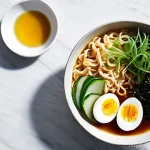
You might think a frozen meal is just a frozen meal, but trust me, there are ways to make them feel like a gourmet experience. My go-to move? Adding fresh elements. A sprinkle of fresh herbs like cilantro or parsley, a dollop of Greek yogurt or sour cream (if it suits the dish), or a squeeze of fresh lime can completely transform a bland-ish dish into something vibrant. For pasta dishes, I often grate a little fresh Parmesan on top – it melts beautifully and adds incredible depth. With Asian-inspired bowls, a dash of sriracha or a few sesame seeds works wonders. It’s all about perception, really. When you take just a moment to “doctor up” your meal, it feels less like a convenience item and more like a thoughtfully prepared dish. Another game-changer for me has been pairing a frozen meal with a simple side. A quick side salad with a vinaigrette I whipped up in two minutes, or some steamed frozen vegetables (another freezer aisle hero!), instantly elevates the meal and makes it more filling and balanced. It’s these small efforts that truly make a big difference in enjoyment and nutritional value.
Smart Shopping for Freezer Aisle Deals
Navigating the frozen food aisle can feel overwhelming with so many choices, but I’ve developed a few strategies to ensure I’m getting the best bang for my buck without sacrificing health. First, always check the unit price. Sometimes, a larger family-sized bag of frozen veggies or a multi-pack of individual meals is significantly cheaper per serving than buying single items. Secondly, keep an eye out for sales and loyalty program discounts. My local supermarket often has “buy one, get one free” deals on specific frozen brands, and that’s when I stock up on my favorites. I also make it a habit to scan the ingredients list for added sugars, excessive sodium, and unhealthy fats. Many brands now proudly display “clean label” ingredients, focusing on whole foods. Finally, don’t be afraid to try store brands. I’ve discovered some fantastic, affordable, and surprisingly delicious frozen options from generic lines that rival their pricier counterparts. It’s all about being a savvy shopper and not assuming that higher price always means better quality.
Your Pantry’s Secret Weapons for Instant Meals
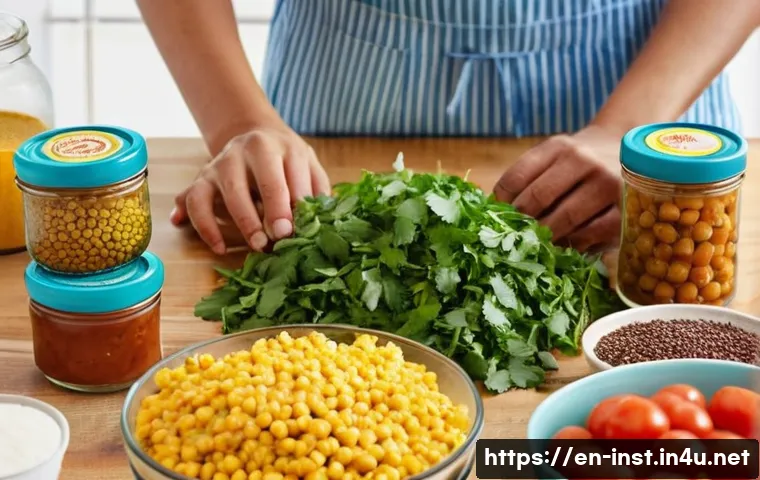
Beyond the freezer, your pantry is a treasure trove of affordable, quick-meal components that can save you on even the busiest nights. I’m talking about those shelf-stable heroes that often get overlooked but are incredibly versatile and nutritious. Think about it: a can of chickpeas can become a quick curry, a batch of hummus, or a crunchy roasted snack in minutes. Lentils, whether canned or dried, are phenomenal for hearty soups or adding substance to salads. I always keep a good stock of canned diced tomatoes, black beans, and various broths. These form the base of so many quick meals for me. It’s not just about throwing things together; it’s about having a foundational set of ingredients that can be mixed and matched creatively. I remember one evening, completely drained and staring at what seemed like an empty kitchen, I managed to pull together a satisfying chili using just canned beans, tomatoes, a few spices, and some ground turkey I’d frozen earlier. It felt like a magic trick, and it tasted surprisingly gourmet for something that came together in under 20 minutes. It’s proof that you don’t need exotic ingredients to eat well and affordably.
Maximizing Canned Goods for Flavor and Nutrition
Canned goods often get a bad rap, but they are undeniably convenient and can be surprisingly healthy. The key, I’ve found, is how you use them. Rinsing canned beans thoroughly before use is a must, as it drastically reduces their sodium content. From there, the possibilities are endless! I love mashing black beans with some avocado and spices for quick tacos, or adding cannellini beans to a sautéed garlic and spinach mixture for a rustic side. Canned fish, like tuna or salmon, are protein powerhouses that can be turned into quick salads, sandwiches, or even pasta dishes. My trick for making canned soups taste more homemade is to add a fresh element – a handful of spinach, some leftover shredded chicken, or a sprinkle of fresh herbs. It elevates the flavor profile and adds extra nutrients. Don’t forget about canned vegetables like corn, peas, or green beans; they’re perfect for adding a quick burst of color and vitamins to any meal without much effort. Experimentation is key here; you’ll quickly discover your own go-to combinations that save time and taste fantastic.
Building a Budget-Friendly Pantry Foundation
Creating a well-stocked pantry is like having a financial safety net for your dinner plate. It means you’re less likely to resort to expensive takeout when hunger strikes. My top tip for building this foundation is to buy staples in bulk when they’re on sale. Dry pasta, rice, oats, and various dried beans are fantastic for this. They last forever and are incredibly versatile. I also highly recommend investing in a good selection of dried herbs and spices. They’re often cheaper in the long run than fresh ones and can dramatically transform the flavor of simple dishes. Think about creating a “flavor profile” section in your pantry – Italian spices, Mexican blends, curry powders – so you’re always ready to whip up a themed meal. Having a few versatile sauces, like soy sauce, hot sauce, and a good quality olive oil, is also crucial. These items might seem like small purchases individually, but together they form the backbone of countless quick, affordable, and healthy meals. Regularly checking expiration dates and rotating your stock ensures nothing goes to waste, maximizing your investment in your convenient eating strategy.
Quick-Prep Kits: The Best of Both Worlds
Okay, so we all love the idea of cooking, but sometimes the sheer mental load of planning, shopping, and prepping just feels like too much. That’s where quick-prep kits have really shone for me. These aren’t your full-blown, expensive meal delivery services (though some can be!), but rather those clever supermarket finds that give you perfectly portioned ingredients and a simple recipe, cutting down on decision fatigue and food waste. I’ve seen them pop up everywhere, from the fresh produce section offering pre-chopped stir-fry mixes with sauce packets, to refrigerated sections with oven-ready sheet pan meals that include seasoned proteins and vegetables. It’s like having a sous chef for an evening! What I truly appreciate about these is that they bridge the gap between pure convenience and actual home cooking. You still get the satisfaction of putting a meal together, but without any of the tedious measuring or chopping. It’s perfect for those nights when you want something fresh and feel like you’re “cooking,” but your brain just can’t handle another complex recipe.
Decoding the Value of Meal Kits
When it comes to meal kits, especially the ones you grab at the grocery store, it’s all about discerning their true value. I’ve tried my fair share, and my main takeaway is that you need to be strategic. Are you paying a premium for convenience that you could easily achieve yourself with five extra minutes of chopping? Sometimes yes, sometimes no. I tend to lean towards kits that offer unique ingredient combinations I might not think of, or those that include a component that truly saves a lot of time, like a pre-marinated protein or a complex sauce. It’s also worth comparing the price of the kit to buying the individual ingredients. Often, especially for single servings or small households, the kit can actually be more cost-effective because it prevents waste from buying full-sized ingredients you might not use up. For me, the value comes in the mental energy saved and the introduction to new flavor profiles. It’s a great way to try a new dish without committing to buying a whole jar of an obscure spice you might only use once.
My Go-To Quick-Prep Kit Hacks
Even with quick-prep kits designed for ease, I’ve found a few tricks to make them even better and more budget-friendly. First, I sometimes stretch a two-person kit into three servings by adding an extra side or bulking it up with some pantry staples like rice or a can of beans. It’s an easy way to save a few bucks per meal. Second, don’t be afraid to customize! If a kit comes with a sauce I’m not crazy about, I’ll often ditch it and whip up my own simple dressing or marinade using ingredients I already have. Similarly, if there’s a vegetable I don’t love, I’ll swap it out for something else from my fridge. Third, always read the instructions before you start. Sometimes, a kit suggests a cooking method that isn’t ideal for your kitchen setup, or you might realize you need a specific pan you don’t have. A quick read-through can save you a lot of frustration and ensures a smoother cooking experience. These little hacks make the kits work even harder for me, ensuring I get a satisfying meal that aligns with my taste and budget.
Harnessing the Power of Rotisserie Chicken and Pre-Cooked Proteins
You know those days when you walk into the grocery store and the aroma of a freshly roasted rotisserie chicken just hits you? That, my friends, is the smell of a stress-free dinner solution. A humble rotisserie chicken is, in my opinion, one of the most underrated convenience items out there. It’s incredibly versatile, packed with protein, and surprisingly affordable, especially when you factor in the time and effort it would take to roast one yourself. I’ve literally built entire weeknight meals around these chickens, transforming them into everything from quick tacos and wraps to hearty salads and even soups. It’s not just about eating it straight off the bone, although that’s certainly a valid and delicious option! I often debone it as soon as I get home, separating the white and dark meat, and then I have pre-cooked, seasoned protein ready to go for several meals. It truly feels like I’m cheating the system, getting all that flavor and convenience without any of the actual cooking effort.
Beyond the Bird: Versatile Uses for Rotisserie Chicken
The beauty of a rotisserie chicken lies in its incredible versatility. Once you’ve enjoyed it for a straightforward dinner, the leftovers are pure gold. For a quick lunch, shred some chicken and toss it with your favorite salad greens, a simple vinaigrette, and maybe some nuts or dried cranberries for added texture. Taco Tuesday becomes a breeze with pre-shredded chicken, tortillas, and your favorite toppings. Need a lightning-fast pasta dish? Mix shredded chicken with some pesto, cherry tomatoes, and cooked pasta. One of my personal favorites is to make a quick chicken noodle soup by adding the leftover chicken (and even the carcass for extra flavor if you have time to simmer it) to some chicken broth with egg noodles and a few frozen vegetables. It’s comfort food perfected with minimal effort. Don’t let a single shred go to waste; think creatively, and you’ll find that one rotisserie chicken can fuel several delicious, convenient, and budget-friendly meals throughout the week.
Other Pre-Cooked Protein Champions
While the rotisserie chicken reigns supreme, there are other pre-cooked protein options that deserve a spot in your convenient eating arsenal. Think about pre-cooked shrimp, often found in the freezer section. Thaw it quickly under cold water, and you have a fantastic protein for stir-fries, pasta dishes, or shrimp tacos in mere minutes. Pre-cooked sausages (chicken, turkey, or pork) are also excellent for slicing into quick scrambles, adding to sheet pan meals with roasted vegetables, or tossing into a quick pasta sauce. I’ve also found that many supermarkets offer pre-cooked grilled chicken strips, which are perfect for salads, wraps, or even a quick chicken Caesar. The key here is to look for options with minimal additives and reasonable sodium levels. These proteins are absolute game-changers for those really busy nights when you need a substantial meal but literally have no time or energy to cook. They’re a smart way to ensure you’re getting enough protein without relying on less healthy fast-food alternatives.
Smart Snacking and Lunch Solutions on the Go
Eating healthy and affordably isn’t just about dinner; it’s about all your meals, and snacks often trip us up. How many times have you grabbed an expensive, less-than-healthy option out of sheer hunger and convenience when you’re out and about? I know I have! That’s why having a solid game plan for smart snacking and portable lunches is crucial for staying on track with both your health goals and your budget. It’s about being prepared and having readily available options that you can just grab and go. I’ve experimented with countless permutations, from elaborate meal-prepped bento boxes to the simplest fruit and nut combos, and I’ve finally landed on a few strategies that genuinely work without adding another layer of stress to my life. The goal here is to keep things simple, satisfying, and something you actually look forward to eating, even when you’re in a rush.
Portable Powerhouse Lunches That Don’t Require Cooking
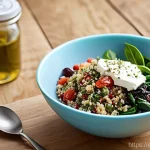
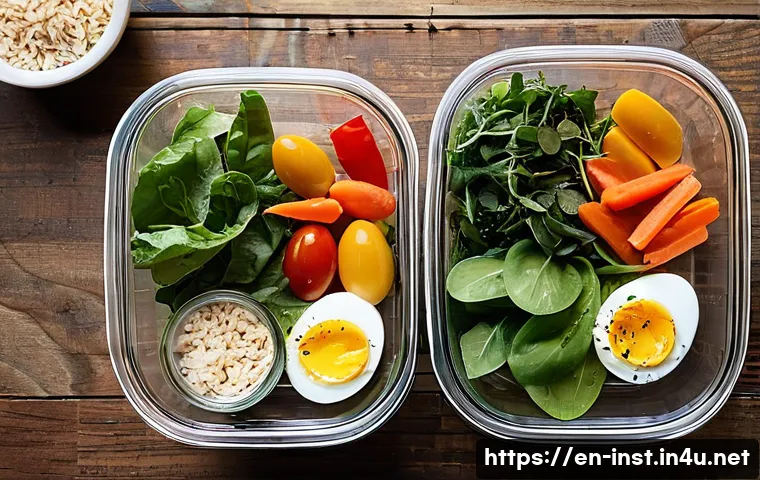
For lunches, my absolute favorite strategy is to leverage leftovers from dinner. If I make a hearty soup or a big batch of quinoa salad, I always portion some out for the next day’s lunch. It’s literally zero extra cooking! But for those times when I don’t have leftovers, I rely heavily on “assembly-only” lunches. Think about a simple tuna salad or chickpea salad sandwich on whole-wheat bread, or a deconstructed salad in a jar. Layer your dressing at the bottom, then hardier veggies like cucumbers or bell peppers, then your protein, and finally your greens on top. When it’s time to eat, just shake it up! Another winner is a simple bento-style box with hard-boiled eggs (I boil a batch at the start of the week), some cheese sticks, whole-grain crackers, and a handful of baby carrots or cherry tomatoes. These options require absolutely no cooking during your lunch break and are incredibly satisfying and nutritious.
Budget-Friendly and Healthy Snack Staples
Snacking can be a huge money pit if you’re not careful, but it doesn’t have to be. My philosophy for snacks is simple: keep it real, keep it simple, and keep it portable. Fresh fruit is always a winner – apples, bananas, and oranges are incredibly easy to throw in a bag. A handful of nuts or seeds provides healthy fats and protein to keep you full. I also love individual portions of Greek yogurt or cottage cheese, which are fantastic protein sources. If you’re craving something crunchy, air-popped popcorn (made at home, not the pre-bagged kind!) is a whole-grain, low-calorie option. Veggie sticks with a small container of hummus are another go-to. The trick is to have these items readily available and portioned out so you can just grab them on your way out the door. It completely eliminates the temptation to hit the vending machine or the expensive coffee shop for an unhealthy, overpriced treat.
Unlocking Value: Comparing Convenient Meal Options
Navigating the world of convenient eating can sometimes feel like a maze, especially when you’re trying to balance health, taste, and your budget. I’ve spent years trying out various solutions, from the quickest microwave meal to the more involved grocery store kits, and I’ve learned that not all convenience is created equal. Understanding the pros and cons of different options, particularly when it comes to cost and actual health benefits, is crucial for making smart choices that truly support your lifestyle. It’s not just about what’s fastest, but what gives you the best return on your investment of time and money, without compromising on feeling good. Let’s take a look at how some popular convenient options stack up against each other, based on my own trials and tribulations, helping you discern where to best allocate your grocery dollars for maximum benefit.
| Convenient Meal Category | Typical Cost per Serving | Prep/Cook Time | Health Potential (1-5, 5 being highest) | My Quick Takeaway |
|---|---|---|---|---|
| Gourmet Frozen Meals (e.g., Amy’s, Saffron Road) | $4 – $8 | 3-10 minutes | 4 | Excellent for busy nights; look for low sodium & high fiber options. Feel free to add fresh herbs! |
| Canned Soup/Chili (Elevated) | $2 – $5 | 5-15 minutes | 3 | Super quick, but needs a boost! Add fresh veggies, protein, or spices to make it a true meal. |
| Pre-Cooked Rotisserie Chicken + Bagged Salad | $3 – $6 | 5 minutes | 4 | My ultimate cheat meal. So versatile and feels very fresh. Great for multiple meals. |
| Grocery Store Meal Kits (e.g., ready-to-roast sheet pan) | $7 – $12 | 20-40 minutes | 4 | A fantastic middle ground. Less prep, still feels like cooking. Great for trying new recipes. |
| DIY Pantry Staples (e.g., pasta + canned sauce + beans) | $1 – $4 | 10-25 minutes | 5 | Most customizable & budget-friendly. Requires minimal assembly, but gives great control over ingredients. |
Navigating Supermarket Sales for Ultimate Savings
One of the biggest keys to making healthy convenience food affordable is becoming a savvy shopper, especially when it comes to supermarket sales. I’ve found that stores often rotate their promotions, so what’s on sale one week might be full price the next. My strategy involves checking the weekly circulars (digital ones are great!) before I even step foot in the store. This allows me to plan my meals around the discounted items. Stocking up on non-perishables like canned goods, dry pasta, or frozen vegetables when they hit rock-bottom prices is a game-changer for my budget. Similarly, if I see my favorite brand of frozen gourmet meals on a “buy one, get one free” deal, I’ll grab a few extra to tuck away in the freezer. It’s all about being proactive and strategic, rather than just grabbing whatever catches your eye. This mindful approach to shopping ensures that I’m always getting the best value for my money, allowing me to enjoy high-quality, convenient food without the hefty price tag.
Maximizing Loyalty Programs and Digital Coupons
Beyond the weekly ads, don’t underestimate the power of supermarket loyalty programs and digital coupons. I’m a huge advocate for signing up for your local grocery store’s rewards program. Many of them offer personalized discounts based on your purchase history, which can lead to incredible savings on items you regularly buy. Digital coupons, often accessible through store apps, are another fantastic way to save. I make it a habit to quickly scan for relevant coupons before I shop, “clipping” them directly to my loyalty card. Sometimes, you’ll find fantastic deals on specific brands of pre-cooked proteins or healthy frozen entrees. It might seem like a small effort, but over time, these savings truly add up. It’s about being an informed consumer and leveraging every tool available to make your grocery budget stretch further. These programs aren’t just about accumulating points; they’re a direct pathway to more affordable, convenient, and healthy eating.
Meal Prep Made Easy: Your Future Self Will Thank You
Okay, I know “meal prep” can sound like a daunting task, conjuring images of hours spent in the kitchen on a Sunday afternoon. But hear me out: it doesn’t have to be an all-or-nothing endeavor. For me, meal prep has evolved from trying to perfectly portion every single meal for the week to simply doing a few strategic things that save me massive amounts of time during busy weekdays. It’s more about “prep hacks” than full-on meal construction. My goal is to reduce decision fatigue and cooking time when I’m tired, and even just a little bit of prep can make a world of difference. Your future self, the one who’s hangry and exhausted after a long day, will absolutely shower your present self with gratitude for those few minutes of foresight. It’s about building good habits that make healthy eating truly effortless, even when life gets chaotic.
Simple Strategies for Stress-Free Prep
My approach to meal prep is all about simplicity and focusing on components rather than full meals. First, I always wash and chop a big batch of vegetables (carrots, bell peppers, celery, cucumbers) at the beginning of the week. These are perfect for snacking, adding to salads, or tossing into quick stir-fries. Second, I cook a large batch of a grain – quinoa, brown rice, or farro – which then becomes the base for bowls, sides, or even a quick pilaf throughout the week. Third, I often roast a big tray of chicken breasts or bake a salmon fillet to have on hand for quick protein additions to salads or sandwiches. And finally, hard-boiling a dozen eggs is a non-negotiable for me; they’re the ultimate grab-and-go protein source. These few steps take me less than an hour, but they dramatically cut down on the daily grind of cooking. It’s not about cooking every meal, but about having the building blocks ready when you need them most.
My Favorite Make-Ahead Meal Components
Beyond the basics, I’ve got a few favorite make-ahead components that truly transform my week. Batch-cooking a versatile protein like ground turkey or lentils is fantastic. I can season half for tacos and the other half for a pasta sauce. Another winner is homemade vinaigrette. Whipping up a big jar of my favorite dressing means I always have a healthy, delicious option for salads and don’t rely on store-bought, often sugar-laden, alternatives. Overnight oats are also a total game-changer for breakfast; just mix oats, milk, chia seeds, and your favorite fruit or sweetener in a jar the night before, and breakfast is ready when you wake up! These small, intentional actions really add up to a week of healthier, more affordable, and much less stressful eating. It’s about working smarter, not harder, in the kitchen, so you can enjoy your evenings and still feel great about what you’re eating.
Wrapping Things Up
Phew! We’ve covered a lot, haven’t we? From navigating the vibrant (and sometimes overwhelming) freezer aisles to unlocking the hidden gems in our pantries, and even diving into the magic of pre-cooked proteins, my hope is that you’re feeling a little more empowered in your kitchen journey. I know firsthand how easy it is to fall into the trap of expensive takeout or feel guilty about not “cooking from scratch” every single night. But honestly, life is busy, and sometimes, convenience is not just a luxury – it’s a necessity for our mental and physical well-being. What I’ve really learned over the years, through countless meal experiments and budget balancing acts, is that smart convenience isn’t about cutting corners on health or flavor. It’s about being strategic, making informed choices, and using the incredible resources available to us to create delicious, satisfying meals that genuinely support our hectic lives. So go ahead, give yourself a break, embrace these smart shortcuts, and reclaim those precious evenings. You’ve earned it!
Useful Info to Keep in Mind
Here are some quick pointers I’ve picked up along my journey to making convenient eating work for me, and I bet they’ll help you too:
1. Always Check Unit Prices: It’s a game-changer! Often, the larger package of frozen veggies or a multi-pack of individual meals is much more cost-effective per serving. Don’t let clever packaging fool you; do the math to maximize your savings. This little habit has saved me so much money over time, allowing me to invest in quality ingredients elsewhere.
2. Elevate with Freshness: Even the simplest frozen meal or canned soup can feel gourmet with a sprinkle of fresh herbs, a squeeze of lemon, or a dollop of plain Greek yogurt. It instantly brightens flavors and adds a touch of “homemade” without any real effort. Trust me, it makes a huge difference to both the taste and your enjoyment.
3. Don’t Underestimate Store Brands: Seriously, some store brands are absolutely fantastic and often produced by the same manufacturers as their pricier counterparts. I’ve found incredible deals on organic frozen vegetables and even surprisingly delicious pre-cooked chicken from generic lines. Give them a try – your wallet will thank you!
4. Batch Cook Grains and Proteins: Dedicate just 30-60 minutes at the start of your week to cook a big batch of quinoa, brown rice, or roast some chicken breasts. Having these versatile staples ready in your fridge is like having a secret weapon for quick salads, bowls, or adding to last-minute stir-fries. It eliminates so much decision fatigue.
5. Leverage Supermarket Loyalty Programs and Digital Coupons: These aren’t just for accumulating points! Many offer personalized discounts on items you actually buy. “Clipping” digital coupons before you shop can lead to significant savings on your favorite convenient items, from frozen meals to pre-cut produce. It’s free money waiting to be claimed!
Key Takeaways
Ultimately, the journey to easier, healthier, and more affordable eating is about finding what works best for *your* unique lifestyle. There’s no one-size-fits-all solution, but by combining smart strategies like utilizing the freezer and pantry, embracing versatile pre-cooked options, and becoming a savvy shopper, you can truly transform your relationship with food. Remember, convenience doesn’t have to mean compromise. It’s about making deliberate choices that free up your time, reduce stress, and ensure you’re still nourishing your body with delicious meals. My personal experience has shown me that a little planning and a willingness to explore different convenient options can dramatically improve your daily routine, allowing you more moments to simply relax and enjoy life, rather than constantly stressing over what’s for dinner. It’s about balance, practicality, and giving yourself permission to take the easier, smarter path.
Frequently Asked Questions (FAQ) 📖
Q: How can I genuinely distinguish between a “convenient” meal that’s actually good for me and one that’s just a heavily processed impostor? I want healthy options, not just quick ones!
A: Oh, I totally get this! It’s the million-dollar question, isn’t it? When I first started diving into the world of convenient foods, I remember feeling so overwhelmed by all the marketing jargon.
My personal rule of thumb, and what I recommend to everyone, is to become a label detective. Don’t just glance at the front of the package. Flip it over and look at the ingredient list.
A general guideline I stick to is looking for ingredients I recognize – whole foods like vegetables, lean proteins, and whole grains should be high on the list.
If it sounds like a chemistry experiment, it’s probably best to put it back. Pay close attention to sodium content; it’s often sky-high in prepared meals.
I always aim for options under 600mg per serving, if possible, but honestly, sometimes you just do your best. And sugar? That’s a sneaky one!
It hides under so many names like corn syrup, dextrose, and even fruit juice concentrate. I try to pick meals with minimal added sugars. Beyond that, check the fiber and protein content.
Meals rich in both will keep you feeling fuller and more satisfied, preventing that mid-afternoon slump. What I’ve found is that many brands are genuinely stepping up their game, offering transparent labeling and using high-quality ingredients, so a little scrutiny goes a long way.
Trust me, it becomes second nature after a while!
Q: Eating healthily and conveniently sounds amazing, but my grocery budget is already stretched thin. How can I incorporate these fantastic new convenience foods without breaking the bank?
A: This is where being a savvy shopper truly pays off, and I’ve learned so many tricks over the years! First off, the idea that all convenience foods are expensive is definitely a myth we need to bust.
While some gourmet options can be pricey, there are loads of hidden gems. My top tip is to look for store brands. Many supermarkets now have their own lines of high-quality frozen meals, pre-cut veggies, or quick-prep kits that are significantly cheaper than their name-brand counterparts but just as good, if not better.
I’ve found some incredible organic frozen veggie mixes for half the price! Another strategy I swear by is buying in bulk when things are on sale. If you see a great deal on healthy frozen entrees or pre-marinated chicken, stock up!
Your freezer is your best friend here. Don’t forget to leverage your fresh produce sales too; often, pairing a sale-priced rotisserie chicken with a pre-made salad kit from the deli can be a super quick, delicious, and budget-friendly meal.
And think creatively: sometimes buying individual components like a bag of pre-washed spinach and a can of quality tuna can be more cost-effective than a ready-made salad.
It’s all about smart mixing and matching. I even keep an eye out for discounts on meal kit subscriptions for my first few boxes, as they often offer introductory prices that make them surprisingly affordable for a week or two!
Q: When you talk about the “evolving landscape of convenient eating,” what exactly are we talking about? I’m picturing sad, defrosted dinners from decades past, and I need a serious update!
A: Oh, honey, let’s ditch those dated images right now! The world of convenient eating has absolutely exploded, and it’s a far cry from those bland, watery frozen dinners of yesteryear.
What I’m seeing on shelves now is genuinely exciting! We’re talking about an amazing range of options. Think high-quality, chef-inspired frozen meals that taste like they came from a restaurant – I’ve had some incredible frozen curries and pasta dishes lately.
Then there are the quick-prep kits, which are brilliant. These often include pre-portioned ingredients and easy-to-follow instructions, letting you “cook” a fresh meal in 20 minutes with minimal fuss.
I love these for busy weeknights when I still want that home-cooked feel. Beyond that, there’s a huge surge in healthier grab-and-go options: things like gourmet ready-to-eat salads with incredible dressings, protein-packed snack boxes, and even pre-chopped, pre-seasoned vegetable mixes that cut down on all that tedious prep work.
Don’t forget about versatile items like quality canned legumes, pre-cooked grains you just heat up, and even delicious, healthy soup pouches. It’s about minimizing effort without sacrificing flavor or nutrition.
Honestly, the variety available now means you can enjoy everything from an almost-instant, hearty bowl of chili to a quick and satisfying Mediterranean-inspired plate, all with surprisingly little effort.
It’s truly a game-changer for anyone with a packed schedule!