Unlocking Instant Food Prices: 7 Insider Tips to Save More Without Sacrificing Taste

webmaster

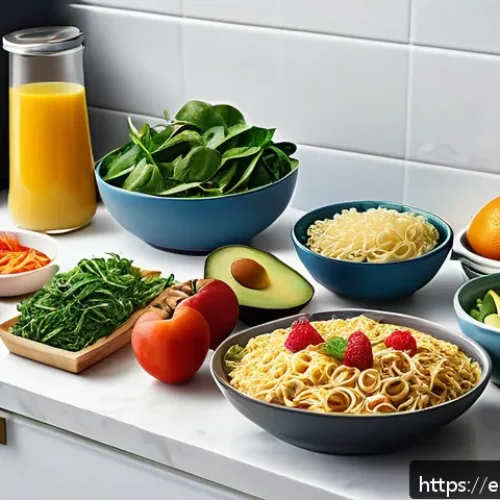
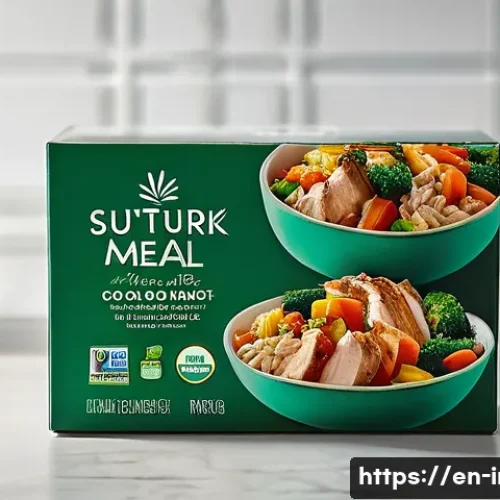
인스턴트 식품의 가격대 - A high-resolution image of a premium instant meal package displayed on a kitchen counter, featuring ...

Instant foods have become a staple in our busy lives, offering quick and convenient meal options without sacrificing flavor. From budget-friendly noodles to gourmet-ready meals, the price range is surprisingly wide, catering to all kinds of preferences and wallets.

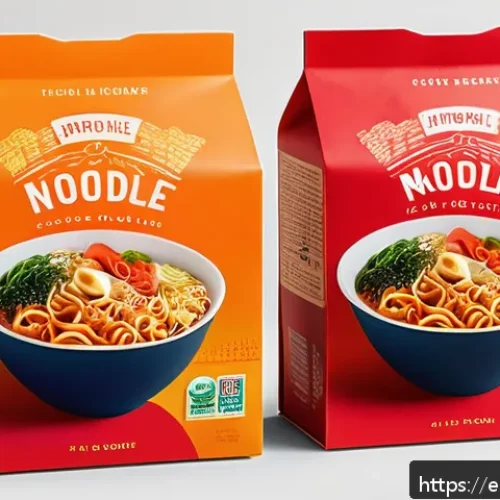
인스턴트 식품의 가격대 관련 이미지 1

While some products are priced to fit tight budgets, others offer premium ingredients that justify a higher cost. Understanding these price variations can help you make smarter choices, whether you’re shopping for everyday meals or occasional treats.

Let’s dive deeper and explore the details together to get a clear picture!

Understanding the Hidden Factors Behind Instant Food Pricing

Ingredient Quality and Sourcing

Instant food pricing often hinges on the quality of ingredients used. For example, a noodle pack made with basic wheat flour and simple seasoning will naturally cost less than one that incorporates organic vegetables or premium cuts of meat.

I’ve noticed that brands emphasizing non-GMO or sustainably sourced components tend to mark up their prices, which is fair considering the added production costs.

These differences not only affect taste but also nutritional value, making the price tag a rough indicator of what you’re really paying for beyond just convenience.

Packaging and Convenience Features

Packaging plays a surprisingly big role in the price you pay. Products that come in microwavable containers or vacuum-sealed pouches designed for on-the-go meals usually carry a higher cost.

I’ve personally found that paying a bit more for resealable packaging or heat-and-eat options saves time and reduces waste, which, in my opinion, adds value that justifies the extra bucks.

On the flip side, simpler packaging might mean you need extra bowls or containers, which can add hidden costs in the long run.

Brand Reputation and Marketing Strategies

Another factor that influences instant food prices is brand positioning. Established brands with a loyal customer base often price their products higher because consumers trust their quality and consistency.

Newer or less-known brands might enter the market with aggressive pricing to attract buyers, but that can sometimes mean sacrificing premium ingredients or flavor complexity.

I’ve seen this firsthand when trying various brands side-by-side; sometimes paying more does translate into better taste and texture, but not always. It’s a bit of a gamble unless you’ve done your research or rely on trusted reviews.

Advertisement

How Portion Sizes and Meal Complexity Affect Costs

Comparing Single-Serve vs. Family Packs

One of the reasons instant food prices can vary wildly is portion size. Single-serve meals, designed for quick solo consumption, tend to be priced higher per ounce compared to bulk or family-sized packs.

From my experience, buying family packs is more economical if you have multiple people to feed or don’t mind leftovers. However, single servings offer convenience and reduce food waste, which for some busy folks, is worth the premium.

The Role of Added Ingredients and Meal Components

Meals that come with multiple components—like a protein, side dish, and sauce—usually cost more due to the complexity of preparation and packaging. I recall trying a gourmet-style instant meal that included a well-seasoned protein, vegetables, and a flavorful sauce, which cost nearly double compared to a plain instant noodle cup.

The added ingredients not only enhance the eating experience but also increase production expenses, which inevitably reflect in the retail price.

Customization and Dietary Options

Instant foods catering to specific dietary needs—such as gluten-free, vegan, or low-sodium options—typically have higher price points. This is partly because specialty ingredients and production processes cost more.

I’ve personally switched to gluten-free instant meals for health reasons and noticed the price difference immediately. While the cost is higher, these options provide peace of mind and meet nutritional requirements that standard instant foods might not address.

Advertisement

Seasonal Trends and Market Demand Influence on Pricing

Limited-Time Flavors and Holiday Editions

Seasonal or limited-edition instant foods often come with a higher price tag. These products are designed to create excitement and tap into holiday or cultural trends.

I remember picking up a pumpkin spice-flavored instant oatmeal during fall, which was pricier but offered a unique taste experience unavailable year-round.

These items can be a fun way to try something new but might not be the best choice for regular meals due to their premium pricing.

Demand Fluctuations and Stock Availability

Prices can also fluctuate based on demand and supply chain factors. For instance, during times when people stockpile food, such as during holidays or unforeseen events, instant food prices may spike.

I’ve seen this happen firsthand when popular instant noodle brands sold out quickly, leading retailers to increase prices temporarily. Understanding these market dynamics can help you decide when to buy and potentially save money.

Promotions, Discounts, and Loyalty Programs

Retailers often run promotions or offer discounts on instant foods, which can significantly impact the price you pay. Signing up for loyalty programs or waiting for sales can reduce costs without compromising on quality.

From my experience, timing your purchases around these deals can stretch your food budget further, especially if you prefer premium or gourmet instant meals that usually carry a heftier price.

Advertisement

The Impact of Geographic Location on Instant Food Prices

Urban vs. Rural Price Variations

Where you shop can dramatically affect instant food prices. Urban areas with higher rent and operating costs often see elevated prices compared to rural regions.

I’ve lived in both city and suburban settings, and I noticed that instant meals in city supermarkets generally cost more, partly due to higher overheads.

This geographic pricing means that your location should influence how and where you buy instant foods to get the best value.

Local Taxes and Import Fees

Tax rates and import duties also play a role in pricing, especially for international instant food brands. For instance, imported Japanese or Korean instant noodles might carry extra costs in certain states or countries due to tariffs.

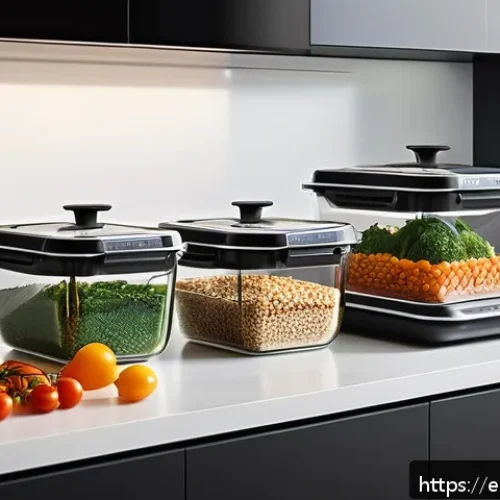
인스턴트 식품의 가격대 관련 이미지 2

I once compared prices between local and imported brands and saw a clear price gap that was mostly due to these fees. Being aware of these factors helps in understanding why some products are more expensive and whether the premium is worth it to you.

Availability of Local Alternatives

Sometimes, local instant food brands offer similar quality at lower prices because they avoid import fees and lengthy shipping. I’ve tried regional brands that use local ingredients and found them to be surprisingly good and wallet-friendly.

Supporting local producers can be a win-win situation, providing fresh options while keeping your grocery bills in check.

Advertisement

Balancing Nutritional Value and Cost in Instant Foods

Reading Labels Beyond Price

Price isn’t everything when it comes to instant foods; nutritional value should weigh heavily in your decision. I always check the sodium, sugar, and fat content before buying.

Some cheaper options are loaded with preservatives and artificial flavors, while pricier ones might offer balanced macros and natural ingredients. It’s a trade-off, but investing in healthier instant meals has made a noticeable difference in my energy levels and overall well-being.

Homemade Enhancements to Boost Value

To get the most out of instant foods without overspending, I often add fresh or frozen veggies and proteins to enhance the meal’s nutrition. This approach keeps costs down while improving flavor and health benefits.

It’s a simple hack that turns a basic instant meal into a more satisfying dish without breaking the bank.

Choosing Fortified or Enriched Options

Some instant foods come fortified with vitamins and minerals, which can be a smart choice if you rely on them regularly. Although these options might cost a bit more, I’ve found that they help fill nutritional gaps, especially during busy periods when cooking fresh meals isn’t feasible.

The extra cost feels justified when you consider the added health benefits.

Advertisement

Price Comparison Table of Common Instant Food Types

Instant Food Type Average Price Range (USD) Key Features Typical Serving Size Convenience Level
Basic Instant Noodles $0.50 – $1.50 Simple seasoning, quick cook Single serving (70-100g) Very high
Premium Instant Meals $3.00 – $7.00 Gourmet ingredients, multiple components Single or double serving (150-250g) High
Frozen Ready Meals $4.00 – $10.00 Cooked, requires reheating Single serving (200-350g) Moderate to high
Organic/Gluten-Free Instant Foods $2.50 – $6.00 Specialty ingredients, dietary focus Single serving (80-150g) High
Bulk Family Packs $5.00 – $15.00 Economical, multiple servings 4-6 servings Moderate
Advertisement

The Role of Convenience in Justifying Instant Food Costs

Time Saved in Meal Preparation

One of the biggest reasons I personally justify paying more for certain instant foods is the sheer time saved. When you’re juggling work, family, and other commitments, spending 15 minutes instead of an hour cooking can feel like a lifesaver.

This convenience factor can make a higher price feel more like an investment in your day rather than an expense.

Portability and On-the-Go Eating

Instant foods designed for portability—such as ready-to-eat cups or pouch meals—often cost more but offer unmatched convenience for busy lifestyles. I remember grabbing these during hectic travel days, and while they weren’t the cheapest option, the ability to eat without utensils or preparation was priceless.

This added convenience justifies the premium for many people.

Minimal Cleanup and Waste Reduction

Higher-priced instant meals often come with single-use containers or minimal packaging that reduces cleanup time. From my experience, this can be a major plus after a long day when the last thing you want is a sink full of dishes.

While it might seem like a small benefit, it can improve your overall satisfaction with the meal and make the price more palatable.

Advertisement

Conclusion

Understanding the factors that influence instant food pricing helps us make smarter choices that balance cost, convenience, and nutrition. Whether it’s ingredient quality, packaging, or brand reputation, each element plays a role in what we pay. By being aware of these hidden drivers, you can better navigate the market and find instant meals that truly fit your needs and budget.

Advertisement

Useful Information to Keep in Mind

1. Ingredient sourcing and quality directly impact the price and nutritional value of instant foods, so choosing wisely can improve your overall eating experience.

2. Packaging innovations like resealable or microwavable containers add convenience but often increase the cost, which might be worth it depending on your lifestyle.

3. Portion sizes matter; buying in bulk usually saves money per serving, but single-serve options reduce waste and save time.

4. Seasonal products and limited editions can offer unique flavors but usually come at a premium price—great for special occasions rather than daily meals.

5. Geographic location and local taxes influence pricing, so exploring local brands can be a cost-effective and quality alternative.

Advertisement

Key Takeaways

Instant food prices are shaped by a complex mix of factors including ingredient quality, packaging, brand positioning, and meal complexity. Convenience features and dietary options also play a significant role in cost variations. Market trends, demand fluctuations, and geographic differences further affect pricing, making it important to shop strategically. Lastly, balancing nutritional value with cost through label reading and simple homemade enhancements can elevate your instant meal experience without overspending.

Frequently Asked Questions (FAQ) 📖

Q: Why do instant food prices vary so much between brands and products?

A: The price differences mainly come down to ingredient quality, brand reputation, and packaging. Budget-friendly options often use basic ingredients and simpler packaging, which keeps costs low.
On the other hand, premium instant meals might include organic or specialty ingredients, more balanced nutrition, and attractive packaging, all of which push the price up.
Also, some brands invest more in research and development to create gourmet flavors, which adds to the cost. So, depending on what you value—whether it’s affordability or quality—you’ll find a price point that fits your needs.

Q: Are more expensive instant meals actually healthier or tastier than cheaper ones?

A: From my experience, pricier instant meals often do offer better taste and sometimes healthier ingredients, but that’s not a hard rule. Some affordable brands have surprisingly good flavors and decent nutrition, especially if you’re mindful about the product labels.
Premium options might use less sodium, more natural preservatives, or higher-quality proteins, which can make a difference if you eat these meals regularly.
However, taste is subjective, and sometimes a budget-friendly noodle dish can hit the spot just as well. It’s worth trying a few to see what suits your palate and lifestyle best.

Q: How can I choose instant foods that give me the best value for my money?

A: Finding the best value is all about balancing price, taste, and nutrition. Start by checking the ingredient list and nutrition facts; look for meals with fewer artificial additives and reasonable sodium levels.
Don’t hesitate to try smaller packs or sample sizes before committing to bigger quantities. Reading reviews or watching taste test videos can also save you time and money.
Personally, I mix and match depending on my schedule—using cheaper options for quick fixes and splurging on higher-quality meals when I want a treat. This way, I stay within budget without feeling like I’m compromising on flavor or health.

📚 References


➤ Link

– Google Search

➤ Link

– Bing Search

➤ Link

– Google Search

➤ Link

– Bing Search

➤ Link

– Google Search

➤ Link

– Bing Search

➤ Link

– Google Search

➤ Link

– Bing Search

➤ Link

– Google Search

➤ Link

– Bing Search

➤ Link

– Google Search

➤ Link

– Bing Search

➤ Link

– Google Search

➤ Link

– Bing Search

➤ Link

– Google Search

➤ Link

– Bing Search