Instant noodles have become a staple in many households, offering quick and convenient meal options. Yet, not all instant noodles are created equal—varieties differ widely in texture, flavor profiles, cooking methods, and ingredient quality.

From classic cup noodles to premium dried ramen, each type caters to different tastes and dietary needs. Understanding these distinctions can help you choose the perfect option whether you’re craving something spicy, savory, or mild.
If you’ve ever wondered what sets one brand apart from another or how to pick the best instant noodle for your palate, you’re in the right place. Let’s dive deeper and explore the fascinating world of instant noodles!
The Role of Texture in Instant Noodle Enjoyment
Understanding Noodle Thickness and Chewiness
The texture of instant noodles plays a huge role in how satisfying the meal feels. Thicker noodles tend to have a more substantial bite, providing a chewy, almost al dente experience that some people crave, especially when paired with richer broths.
On the other hand, thinner noodles cook faster and absorb flavors quickly, making them ideal for lighter soups or quick snacks. Personally, I’ve noticed that when I want a hearty bowl, I go for thicker noodles because they hold up better to long cooking times and intense flavors.
It’s almost like the texture sets the stage for the entire eating experience.
The Influence of Noodle Shape and Surface
Beyond thickness, the shape and surface texture of the noodles can impact flavor absorption and mouthfeel. Curly noodles trap broth and seasonings differently than straight ones, often giving bursts of flavor in every bite.
Flat noodles, meanwhile, tend to soak up soup evenly, delivering a consistent taste. Some premium brands even add ridges or grooves to their noodles, which increases the surface area and helps the seasoning cling better.
I’ve found that this little detail can make a surprisingly big difference when you’re trying to savor every bit of flavor.
Fresh vs. Dried Noodles: What’s the Texture Difference?
Fresh instant noodles, often found refrigerated or frozen, have a softer and more elastic texture compared to their dried counterparts. They usually cook faster and mimic the chewiness of restaurant-style ramen more closely.
Dried noodles, while less supple, excel in shelf life and convenience. From my experience, fresh noodles make a noticeable difference if you’re after a restaurant-quality feel at home, but dried noodles still deliver great taste and texture, especially when you’re in a rush or traveling.
Decoding Flavor Profiles: Beyond Just Spicy or Mild
The Complexity of Broth Bases
Instant noodle broths come in a variety of bases, each bringing a unique flavor journey. Shoyu (soy sauce) broth offers a salty, umami-rich experience with subtle sweetness, while miso broth tends to be creamy and earthy, providing depth.
Tonkotsu, a pork bone broth, is rich and fatty, perfect for those who love hearty flavors. There are also vegetarian and vegan broths made from mushrooms, seaweed, or vegetables that cater to plant-based diets.
Personally, I enjoy exploring these different bases because they transform the noodles into completely different dishes depending on the broth.
Spice Levels and Layered Heat
Spicy instant noodles aren’t just about burning your tongue; many brands layer their heat with smoky, sweet, or sour notes to keep things interesting.
For example, some Korean-style ramens balance chili heat with garlic and sesame oil, creating a complex flavor rather than just pure spice. When I first tried these layered spicy varieties, I was surprised how the heat built gradually, making the experience enjoyable rather than overwhelming.
It’s a game-changer for anyone who loves spice but hates that one-note burn.
Seasoning Packets: The Secret to Flavor Customization
Most instant noodles come with seasoning packets, but not all are created equal. Some include dehydrated vegetables, oils, or even powders that mimic fresh ingredients.
Others rely heavily on salt and MSG, which can taste artificial. I always look for brands that offer multiple seasoning components—like a separate oil packet and vegetable flakes—because they allow you to adjust the flavor intensity.
Mixing and matching these packets has become a little ritual for me, turning a simple bowl into something uniquely tailored.
Cooking Techniques That Elevate Instant Noodles
Timing Is Everything
The cooking time for instant noodles isn’t just a guideline; it’s crucial to getting the perfect bite. Overcooking can turn noodles mushy and flavorless, while undercooking leaves them tough and unpalatable.
From my kitchen experiments, the best approach is to start with boiling water, add noodles, and then test texture at the minimum cooking time recommended.
If you like noodles with a bit of bite, it’s best to stop cooking just before the suggested time and let the residual heat finish the job.
Enhancing Noodles with Fresh Ingredients
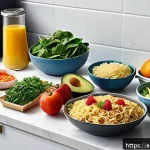
Adding fresh ingredients like eggs, vegetables, or proteins can transform instant noodles from a quick snack to a complete meal. I often toss in spinach, mushrooms, or sliced chicken breast during the last minute of cooking.
The steam softens the veggies just right, and the protein boosts satiety. This simple upgrade not only improves nutrition but also adds layers of flavor and texture that instant noodles alone can’t provide.
Using the Right Water Temperature and Quantity
Believe it or not, the temperature and amount of water you use can change the outcome dramatically. Boiling water extracts flavors efficiently and cooks noodles evenly, but if the water volume is too high, the broth becomes diluted.
Conversely, too little water might result in noodles sticking together or an overly salty taste. In my experience, following the package instructions for water volume but adjusting slightly based on personal taste has always yielded the best results.
Ingredient Quality and Its Impact on Health and Taste
Understanding Additives and Preservatives
Instant noodles often contain preservatives to extend shelf life, but these additives can impact both flavor and health. Some brands use natural preservatives, while others rely on chemical ones like TBHQ or BHA.
From what I’ve read and experienced, it pays to check the ingredient list if you’re mindful about what you consume. Choosing noodles with fewer additives often means a cleaner taste and better nutritional profile, although they might have a shorter shelf life.
The Role of Oils and Fats
The type and amount of oil used in instant noodles greatly influence both flavor and calorie content. Some premium noodles use high-quality sesame or olive oils, which add a nutty aroma and richness.
Others might use palm or soybean oils, which can taste bland or greasy if overused. I’ve noticed that the oil packet quality is often a giveaway of the overall noodle quality—better oils mean a smoother finish and more satisfying mouthfeel.
Gluten and Allergen Considerations
For those with dietary restrictions, instant noodles can be tricky. Most traditional noodles are wheat-based and contain gluten, but there are gluten-free options made from rice, buckwheat, or even konjac.
Additionally, some seasoning packets include allergens like soy, shellfish, or dairy. I recommend always reading labels carefully, especially if cooking for others, to avoid unexpected reactions.

It’s encouraging that more brands are now offering allergen-friendly alternatives without compromising on taste.
Convenience Meets Customization: Making Instant Noodles Your Own
Mixing Flavors for a Unique Bowl
One of my favorite hacks is combining different seasoning packets or adding leftover sauces and condiments to instant noodles. For instance, a splash of sriracha or a dollop of peanut butter can completely reinvent the flavor.
This approach makes me feel like I’m creating a dish rather than just eating a quick fix. The best part is how adaptable instant noodles are—you can always tweak the taste according to your mood or pantry availability.
Upgrading with Toppings and Garnishes
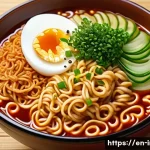
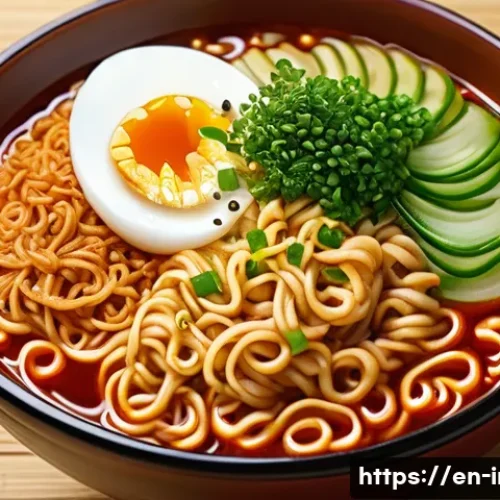
Adding toppings like scallions, boiled eggs, nori sheets, or toasted sesame seeds can elevate instant noodles from basic to gourmet. I usually keep these extras on hand because they add freshness, texture, and visual appeal.
This simple step has made a huge difference in how I enjoy instant noodles, especially when eating solo or needing a quick but satisfying meal.
Batch Cooking and Storage Tips
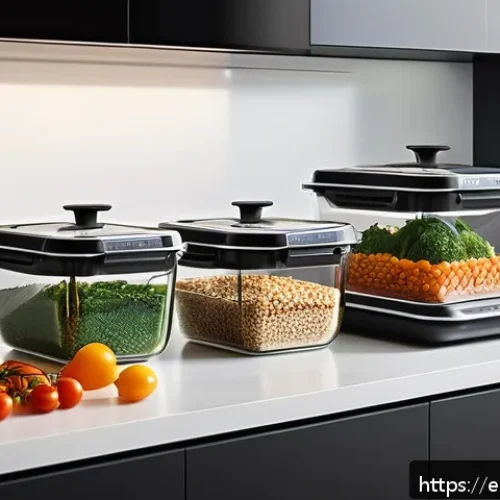
If you’re someone who relies on instant noodles frequently, batch cooking can be a real time saver. Cooking a large pot, separating into containers, and refrigerating can help you enjoy quick meals throughout the week without sacrificing quality.
I’ve learned that reheating noodles gently in broth rather than microwaving dry noodles keeps them from getting rubbery. Also, storing seasoning packets separately until serving preserves their flavor integrity.
Comparing Popular Instant Noodle Brands and Styles
A Snapshot of Global Favorites
Instant noodles vary widely depending on the brand’s origin and style. Korean brands often emphasize bold, spicy flavors with rich broths and chewy noodles.
Japanese varieties lean toward subtle umami with clean broths and thinner noodles. Southeast Asian brands tend to mix sweet, sour, and spicy notes, often featuring rice noodles instead of wheat.
I’ve tried many from each region and found that the cultural differences really shine through in every bowl.
Price vs. Quality: Finding the Sweet Spot
Price often reflects the quality of ingredients and complexity of the noodle experience. Budget-friendly options are great for quick snacks, but premium brands usually offer fresher ingredients, better seasoning balance, and more authentic textures.
In my opinion, investing a little extra in higher-quality instant noodles pays off in flavor and satisfaction, especially if you eat them regularly.
Summary Table of Instant Noodle Attributes
| Brand/Style | Origin | Noodle Type | Flavor Profile | Typical Price Range | Unique Feature |
|---|---|---|---|---|---|
| Shin Ramyun | Korea | Thick, curly wheat noodles | Spicy, savory with garlic notes | $1.00 – $1.50 per pack | Rich chili powder and beef broth base |
| Ichiran Ramen (Instant) | Japan | Straight, thin wheat noodles | Umami-rich tonkotsu (pork bone) | $3.00 – $5.00 per pack | Authentic tonkotsu flavor with fresh noodle texture |
| Mama Instant Noodles | Thailand | Thin rice noodles | Sweet, sour, spicy | $0.50 – $1.00 per pack | Distinctive tamarind and lime flavor |
| Lotus Foods Rice Ramen | USA | Rice noodles (gluten-free) | Mild, savory | $2.50 – $3.50 per pack | Gluten-free and organic ingredients |
Environmental and Ethical Considerations in Instant Noodle Production
Sustainability of Packaging
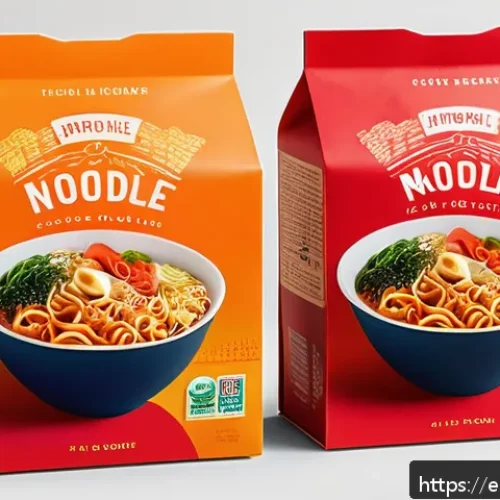
Many instant noodle brands still rely heavily on plastic packaging, which contributes to environmental waste. Recently, some companies have shifted to biodegradable or recyclable materials, which is a welcome change.
From what I’ve observed, brands that prioritize sustainability often communicate this clearly on their packaging, and I’ve started favoring these products to reduce my ecological footprint.
Ingredient Sourcing and Ethical Farming
The quality and ethics behind ingredient sourcing are becoming more important to consumers. Some premium instant noodle producers source their wheat and vegetables from organic or fair-trade farms.
This often results in better-tasting noodles and a more transparent supply chain. I personally appreciate knowing that my food supports ethical farming practices, even in a convenience item like instant noodles.
Corporate Responsibility and Consumer Awareness
As consumers become more conscious of food ethics, companies are responding by improving labor conditions and reducing environmental impact. When I research brands, I look for certifications or corporate social responsibility statements.
Supporting brands that align with my values makes the instant noodle experience feel more rewarding beyond just taste. It’s reassuring to see this trend gaining momentum across the industry.
Conclusion
Instant noodles offer more than just a quick meal—they provide a versatile canvas for flavor, texture, and creativity. Whether you prefer thick, chewy noodles or a delicate broth, understanding the nuances can elevate your experience. With simple tweaks and quality ingredients, instant noodles can transform into a satisfying, personalized dish. Exploring different brands and cooking methods makes every bowl a new adventure worth savoring.
Useful Tips to Remember
1. Adjust cooking time carefully to achieve the perfect noodle texture—slightly undercooked noodles often taste better than overcooked ones.
2. Experiment with fresh add-ins like vegetables, eggs, or proteins to boost nutrition and flavor complexity.
3. Mix and match seasoning packets or add your own sauces to create unique and exciting flavor profiles.
4. Pay attention to ingredient quality and packaging sustainability to enjoy healthier and eco-friendlier meals.
5. Store seasoning separately and reheat noodles gently to maintain optimal taste and texture when batch cooking.
Key Takeaways
Texture plays a crucial role in instant noodle enjoyment, from thickness to noodle shape and freshness. Flavor complexity goes beyond just spicy or mild, with broth bases and seasoning packets offering endless customization. Cooking techniques like timing, water temperature, and adding fresh ingredients greatly impact the final dish. Ingredient quality, including oils and preservatives, affects both health and taste. Lastly, choosing brands that prioritize sustainability and ethical sourcing can make your instant noodle experience more rewarding on multiple levels.
Frequently Asked Questions (FAQ) 📖
Q: What are the main differences between cup noodles and dried ramen noodles?
A: Cup noodles are designed for ultimate convenience—everything comes pre-packaged in a single container, including the broth base and dried toppings. You just add hot water and wait a few minutes.
Dried ramen noodles, on the other hand, usually require separate cooking and often come with more complex flavor packets or fresh toppings. The texture of dried ramen tends to be chewier and more authentic, while cup noodles are softer and quicker to prepare.
If you want something fast and fuss-free, cup noodles are great. But for a richer, more customizable experience, dried ramen is the way to go.
Q: How can I choose an instant noodle that fits my dietary needs?
A: Picking instant noodles based on your diet starts with checking the ingredient list and nutrition facts carefully. For example, if you’re watching your sodium intake, look for low-sodium or reduced-salt options—some brands now cater to that.
Gluten-free noodles are available, often made from rice or other grains instead of wheat. Vegans and vegetarians should scan for animal-based ingredients in broths or flavorings like chicken or beef powder.
Personally, I’ve found that newer premium brands are more transparent about allergens and use natural seasonings, which helps a lot when managing dietary restrictions.
Q: What’s the best way to enhance the flavor of instant noodles without adding too many extra calories?
A: Adding fresh ingredients like chopped green onions, mushrooms, or spinach can seriously upgrade instant noodles without packing on calories. A squeeze of lime or a dash of chili flakes adds brightness and heat without fat.
From experience, I love tossing in some steamed veggies or a soft-boiled egg for extra texture and protein. Avoid heavy creams or excessive oils if you want to keep it light.
These simple additions make your instant noodles feel like a homemade meal rather than just a quick fix.